A travel router for hotel Wi-Fi transforms any public internet connection into your own private, secure, and reliable network, effectively bypassing common hotel Wi-Fi issues like device limits and insecure connections. These compact devices are essential for travelers seeking consistent, protected connectivity for multiple gadgets, ensuring a seamless online experience similar to home. As a network professional with over 15 years of experience, I recommend them for enhanced security and convenience on the go.

What is a Travel Router and Why Do You Need One for Hotels?
At its core, a travel router is a compact, portable device designed to take an existing internet connection – whether wired Ethernet or Wi-Fi – and broadcast it as your own private Wi-Fi network. Think of it as your home router, shrunken down and optimized for life on the go. For explore our home reviews on this site.
The benefits of carrying a travel router for hotel Wi-Fi are significant, addressing common frustrations faced by travelers:
- Enhanced Security: Public Wi-Fi networks in hotels, airports, and cafes are often unsecured, making your devices vulnerable to snoopers and cyber threats. A travel router creates a secure, encrypted private network (WPA2/WPA3) for all your devices, acting as a crucial buffer between your personal gadgets and the potentially hostile public network. Many models even support VPN clients, encrypting all your traffic at the router level.
- Bypass Device Limits: Ever arrived at a hotel only to find their Wi-Fi policy limits you to one or two devices per room? A travel router sidesteps this entirely. The hotel’s network sees only one device – your router – while all your laptops, tablets, smartphones, and streaming sticks connect freely to your private network.
- Consistent Private Network: Imagine never having to reconnect every single device to a new hotel Wi-Fi network. With a travel router, you set up your preferred Wi-Fi name (SSID) and password once. Every device you own will automatically connect to your router’s network, just like at home, providing seamless access wherever you are.
- Stream Your Way: Devices like Chromecasts, Roku sticks, or smart TVs often struggle with hotel captive portals (those annoying web pages where you input room numbers or accept terms). By connecting these devices to your travel router, which handles the initial captive portal login, you can enjoy your entertainment without the hassle.
Choosing Your Perfect Travel Router: Essential Features
Selecting the right travel router for hotel Wi-Fi means balancing performance, portability, and features. Here’s what to look for:
Wi-Fi Standards and Speed
|
Our Picks for the Best WiFi Router in 2026
As an Amazon Associate I earn from qualifying purchases.
|
||
| Num | Product | Action |
|---|---|---|
| 1 | TP-Link Archer BE6500 Dual-Band Wi-Fi 7 Router (Archer BE400) - Dual 2.5 Gbps Ports USB 3.0 - Covers up to 2,400 Sq. ft and 90 Devices - Quad-core CPU- HomeShield, Private IoT, Free Expert Support |

|
| 2 | TP-Link Dual-Band BE3600 Wi-Fi 7 Router Archer BE230 - 4-Stream - 2×2.5G + 3×1G Ports, USB 3.0, 2.0 GHz Quad Core, 4 Antennas - VPN, EasyMesh, HomeShield, MLO, Private IOT - Free Expert Support |
|
| 3 | TP-Link AXE5400 Tri-Band WiFi 6E Router (Archer AXE75), 2025 PCMag Editors\' Choice, Gigabit Internet for Gaming & Streaming, New 6GHz Band, 160MHz, OneMesh, Quad-Core CPU, VPN & WPA3 Security |
|
| 4 | TP-Link AC1200 Gigabit WiFi Router (Archer A6) - Dual Band MU-MIMO Wireless Internet Router, 4 x Antennas, OneMesh and AP Mode, Long Range Coverage |
|
| 5 | TP-Link Tri-Band BE9300 WiFi 7 Router (Archer BE550) - 6-Stream, Full 2.5G Ports w/ 6 Internal Antennas, Up to 2,000 Sq Ft, Add Easy-Mesh Device for Extended Coverage, VPN Support, Free Expert Support |
|
| 6 | TP-Link AC1200 WiFi Router (Archer A54) - Dual Band Wireless Internet Router, 4 x 10/100 Mbps Fast Ethernet Ports, EasyMesh Compatible, Support Guest WiFi, Access Point Mode, IPv6 & Parental Controls |
|
| 7 | TP-Link AX1800 WiFi 6 Router (Archer AX21) – Dual Band Wireless Internet, Gigabit, Easy Mesh, Works with Alexa - A Certified for Humans Device, Free Expert Support |
|
| 8 | Amazon eero 6+ mesh wifi router with 1 month free eero Plus (auto-renews) - Coverage up to 1,500 sq. ft., Connect 75+ devices, 1-pack |
|
| 9 | Amazon eero 6 mesh wifi router with 1-month free eero Plus (auto-renews) - Supports internet plans up to 900 Mbps, Coverage up to 1,500 sq. ft., Connect 75+ devices, 1-pack |
|
| 10 | RBLHGG-5acD-US LHG 5 ac - 5GHz 802.11ac Wireless Device with 24.5 dBi Dual-Pol Grid Antenna - 716 MHz CPU, 256MB RAM, Gigabit Port, RouterOS L3, PoE, US Version |
|
While older models might use Wi-Fi 5 (802.11ac), consider a travel router that supports Wi-Fi 6 (802.11ax) or even Wi-Fi 7 (802.11be) if you want the latest in speed and efficiency. These newer standards offer faster speeds, better performance in congested environments, and improved power efficiency, which is great for battery-powered models. Look for dual-band capabilities (2.4GHz and 5GHz) to minimize interference and maximize speeds.
Security & VPN Support
This is paramount. Ensure your chosen router supports strong encryption standards like WPA2 and WPA3. Crucially, many leading travel routers (like those from GL.iNet, TP-Link, and ASUS) come with built-in VPN client support for OpenVPN and WireGuard. This allows you to configure your VPN service directly on the router, securing all connected devices with a single setup, rather than installing VPN software on each gadget individually.
Connectivity Options
- Ethernet Ports: A travel router should ideally have at least one Ethernet port for WAN (Wide Area Network) and often one or more for LAN (Local Area Network). This lets you plug directly into a hotel’s wired Ethernet jack for potentially faster and more stable internet, or connect wired devices like a laptop or game console to your private network.
- USB Port: A USB port adds versatility, allowing you to tether your smartphone for internet access if hotel Wi-Fi is unavailable or too slow, or even connect a 4G/5G USB modem for cellular broadband. Some models also allow you to share files from a USB drive across your private network.
Portability and Power
A good travel router is small, lightweight, and easy to pack.
- Size and Weight: Look for a truly pocket-sized device that won’t add bulk to your luggage.
- Power Options: Many travel routers are USB-powered, making them convenient to power from a laptop, a portable power bank, or a standard USB wall adapter (often included). Some even feature a built-in battery for true wireless convenience.
Ease of Use
You don’t want to spend precious travel time wrestling with complex settings.
- User-Friendly Interface: A clear, intuitive web-based interface or a companion app makes setup and management simple.
- Captive Portal Handling: The best travel routers simplify dealing with hotel captive portals, often by automatically detecting them and guiding you through the login process.
Brand Insights: What the Pros Recommend
While many brands offer excellent travel routers, certain manufacturers consistently stand out for their robust features, reliability, and community support. Brands like GL.iNet, TP-Link, and ASUS are frequently praised for their diverse offerings, ranging from budget-friendly options to high-performance, feature-rich devices supporting the latest Wi-Fi standards. They are often pioneers in integrating advanced features like VPN clients, multiple operating modes, and OpenWRT firmware for power users.
Setting Up Your Travel Router in Any Hotel (Even with Captive Portals)
One of the greatest strengths of a travel router for hotel Wi-Fi is its adaptability. Here’s how you typically set it up:
Basic Setup: Wired Ethernet Connection
If your hotel room offers an Ethernet port (often found near the desk or behind the TV), this is often the fastest and most straightforward option.
- Power On: Plug your travel router into a power source.
- Connect Ethernet: Plug one end of an Ethernet cable into the hotel’s wall port and the other into your travel router’s WAN (or “Internet”) port.
- Connect Devices: Connect your devices (laptop, phone, tablet) to your travel router’s Wi-Fi network using the SSID and password printed on the router or previously configured by you. In most cases, the router will automatically obtain an IP address and provide internet access.
Connecting to Hotel Wi-Fi (Repeater/Client Mode)
This is the most common scenario when only hotel Wi-Fi is available. The travel router connects to the hotel Wi-Fi and then broadcasts its own private Wi-Fi network.
- Power On: Plug in your travel router.
- Connect to Router’s Wi-Fi: On your smartphone or laptop, connect to the travel router’s default Wi-Fi network (SSID and password are usually on a sticker on the device).
- Access Admin Panel: Open a web browser and go to the router’s administration page (commonly
192.168.8.1for many models). You’ll set a new password if it’s your first time. - Scan for Hotel Wi-Fi: In the router’s interface, look for a “Repeater,” “Client Mode,” or “Wireless Extender” section. Scan for available Wi-Fi networks and select the hotel’s Wi-Fi.
- Handle the Captive Portal: This is the crucial step. Many modern travel routers have a built-in “Public Hotspot Login Mode” that automatically detects and displays the hotel’s captive portal page (where you enter room numbers, names, or agree to terms) on your connected device. Once you complete the login via the router’s interface, all devices connected to your travel router will gain internet access.
- Xzike Pro Tip: MAC Cloning: In rare instances, a captive portal might be stubborn. Some routers allow you to “clone” the MAC address of a device (like your phone) that has successfully logged into the hotel Wi-Fi. You temporarily connect your phone, note its MAC address, and then configure your travel router to use that same MAC address. This often tricks the hotel network into thinking your router is the already-authenticated device.
Initial Configuration Steps
Once your router is connected to the internet source:
- Change Default Credentials: Always change the default admin password for your router’s interface.
- Personalize SSID & Password: Set a memorable Wi-Fi network name (SSID) and a strong, unique password for your private network.
Beyond the Basics: Optimizing Your Travel Connectivity
A travel router for hotel Wi-Fi isn’t just about basic connectivity; it’s a versatile tool for power users and privacy advocates alike.
Leveraging VPNs for Ironclad Security
As a network expert, I can’t stress this enough: configure a VPN on your travel router. This is a major upgrade for privacy and security. Instead of installing and managing VPN software on each device, your router handles it for everything connected. This means your smart TV, gaming console, and all other gadgets are automatically protected, routing their traffic through an encrypted tunnel to your VPN provider. It’s the ultimate defense against snoopers on public networks.
Multiple WAN Options for Uninterrupted Access
Advanced travel routers can offer multiple ways to connect to the internet (WAN sources). You can prioritize an Ethernet connection, fall back to hotel Wi-Fi if no wired option is available, and even switch to your phone’s USB tethering or a cellular modem if Wi-Fi is completely out of commission. This ensures you always have a reliable internet lifeline.
Home Lab Integration: More Than Just Travel
Many sophisticated travel routers run on OpenWRT, an open-source firmware that offers immense flexibility. When you’re not on the road, these routers can serve as valuable tools in your home network, acting as a secondary access point, a media server by connecting a USB drive, or even a specialized router for your smart home devices. They truly earn their keep year-round.
Xzike Pro Tip: Advanced DNS Settings for Ultimate Privacy
For an extra layer of privacy and security, configure your travel router to use encrypted DNS services like Cloudflare DNS over TLS. This prevents your internet service provider (or in this case, the hotel) from easily monitoring your browsing activity. It’s a small tweak that makes a big difference in maintaining your digital anonymity.
Expert Perspectives on Seamless Travel Networking
“In today’s interconnected world, reliable and secure internet access is non-negotiable, especially when traveling,” says Evelyn Thorne, a cybersecurity specialist and frequent international traveler. “A well-chosen travel router empowers users to take control of their network experience, turning public Wi-Fi risks into private, manageable connections. It’s not just a convenience; it’s a critical security tool.”
Frequently Asked Questions (FAQ)
1. Are travel routers better than phone hotspots?
Yes, generally. While a phone hotspot can share your cellular data, a travel router can rebroadcast an existing Wi-Fi or Ethernet connection, which phones cannot do. Travel routers also offer enhanced security features like built-in VPN client support, support more connected devices, and usually have longer battery life or more consistent power options for extended use.
2. Can a travel router extend a weak hotel Wi-Fi signal?
Yes, in a way. While a travel router won’t magically boost a fundamentally weak signal from the source, it can act as a repeater, capturing a distant signal and creating a stronger, more stable Wi-Fi network within your immediate vicinity (e.g., your hotel room). It centralizes the connection point, allowing your devices to have a more reliable link to your router rather than directly to a distant hotel access point.
3. Do travel routers require a SIM card?
Most traditional travel routers do not require a SIM card. They are designed to connect to an existing internet source via Wi-Fi (repeater mode) or Ethernet (router/access point mode). However, some advanced models are also cellular hotpots and include a SIM card slot for 4G/5G mobile broadband connectivity, offering an additional internet source when no Wi-Fi or Ethernet is available.
4. How do travel routers handle hotel Wi-Fi login pages (captive portals)?
Modern travel routers are specifically designed to interact with captive portals. When the router connects to a hotel Wi-Fi network that requires a login, its management interface will typically detect the portal and redirect you to it on your connected device (laptop or smartphone). Once you complete the login through the router’s interface, all devices connected to your private network will have internet access.
5. Are travel routers truly secure?
A well-configured travel router significantly enhances security compared to directly connecting to public Wi-Fi. It creates a private, encrypted Wi-Fi network (WPA2/WPA3) for your devices. When combined with built-in VPN client capabilities, it provides a robust shield, encrypting all your traffic before it even leaves the router, making it very difficult for others on the public network to snoop on your data.
6. Can I use my streaming devices with a travel router?
Absolutely! This is one of the biggest advantages. Streaming devices like Chromecast, Roku, and Apple TV often struggle with the web-based login portals found on hotel Wi-Fi. By connecting these devices to your private network broadcast by the travel router, the router handles the initial hotel login, allowing your streaming gadgets to work seamlessly as they would at home.
7. What’s the difference between AP, Repeater, and Router mode?
- Router Mode: The travel router connects to an internet source (e.g., a hotel Ethernet port) and creates its own private Wi-Fi network, providing IP addresses to connected devices, just like your home router.
- Access Point (AP) Mode: The travel router connects to an existing wired network (e.g., an Ethernet port) and simply extends it as a Wi-Fi network, without performing routing functions or providing IP addresses.
- Repeater Mode (Client Mode/WISP): The travel router connects wirelessly to an existing Wi-Fi network (e.g., hotel Wi-Fi) and then broadcasts its own separate Wi-Fi network, essentially “repeating” the signal and expanding coverage, while isolating your devices from the public network. This is the most common mode for hotel Wi-Fi use.
Conclusion
Say goodbye to slow, insecure, and frustrating hotel Wi-Fi experiences. A reliable travel router for hotel Wi-Fi is more than just a gadget; it’s an investment in your digital freedom, privacy, and productivity on the go. By creating your own secure, private network, you unlock the full potential of your devices, ensuring seamless connectivity from anywhere. Empower yourself with the knowledge and tools to manage your travel network like a pro. For more in-depth guides and expert insights into optimizing your home and travel networks, be sure to visit Xzike.com – your trusted source for all things Wi-Fi.
Frequently Asked Questions
Are travel routers generally better than using a phone's mobile hotspot?
Yes, travel routers are generally better than phone hotspots for hotel Wi-Fi because they can rebroadcast existing Wi-Fi or Ethernet connections, which phones cannot. They also offer enhanced security features like built-in VPN client support, support more connected devices, and typically have more consistent power options for extended use.
Can a travel router help extend a weak hotel Wi-Fi signal?
Yes, a travel router can act as a repeater, capturing a distant or weak hotel Wi-Fi signal and creating a stronger, more stable private Wi-Fi network within your immediate vicinity, such as your hotel room. This centralizes the connection point, providing a more reliable link for your devices.
Do most travel routers require a physical SIM card for internet access?
Most traditional travel routers do not require a SIM card as they connect to existing internet sources via Wi-Fi (repeater mode) or Ethernet. However, some advanced models include a SIM card slot for 4G/5G mobile broadband connectivity, offering an additional internet source when other options are unavailable.
How do travel routers manage hotel Wi-Fi login pages or captive portals?
Modern travel routers are designed to interact with captive portals. When connecting to a hotel Wi-Fi network requiring a login, the router's management interface will detect the portal and redirect you to it on your connected device. Once you complete the login via the router's interface, all devices on your private network gain internet access.
Are travel routers truly secure for protecting personal data on public networks?
A well-configured travel router significantly enhances security compared to directly connecting to public Wi-Fi. It creates a private, encrypted Wi-Fi network using WPA2/WPA3 standards. When combined with built-in VPN client capabilities, it provides a robust shield, encrypting all your traffic before it leaves the router, making it very difficult for others to snoop on your data.
Can streaming devices like Chromecast or Roku be used with a travel router?
Absolutely, using streaming devices with a travel router is a major advantage. Devices like Chromecast, Roku, and Apple TV often struggle with hotel Wi-Fi's web-based login portals. By connecting these devices to your private network broadcast by the travel router, the router handles the initial hotel login, allowing your streaming gadgets to work seamlessly as they would at home.
Set Up Your Travel Router in a Hotel
Learn how to quickly set up your travel router using either a wired Ethernet connection or by connecting to the hotel's Wi-Fi, including handling captive portals.
Plug your travel router into a power source. If your hotel room has an Ethernet port, connect one end of an Ethernet cable to the wall port and the other to your router's WAN port. Your devices should then connect to the router's Wi-Fi network.
If only hotel Wi-Fi is available, power on your router and connect your smartphone or laptop to its default Wi-Fi network. Access the router's admin panel (e.g., 192.168.8.1) in a web browser, then scan for and select the hotel's Wi-Fi network in the 'Repeater' or 'Client Mode' section.
After selecting the hotel Wi-Fi, your travel router will typically detect and display the hotel's captive portal login page on your connected device. Complete the login process (entering room number, name, or agreeing to terms) through the router's interface. Once authenticated, all devices connected to your travel router will gain internet access.
Once your router is connected to the internet, always change the default admin password for its interface to enhance security. Then, personalize your private Wi-Fi network by setting a memorable SSID (network name) and a strong, unique password for easy and secure access.
Get our weekly buyer guide
Practical specs, not advice. Unsubscribe anytime.
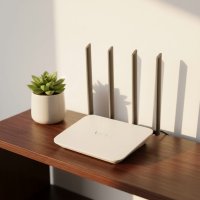
I used to struggle so much with hotel Wi-Fi, especially when trying to connect my laptop, phone, and tablet all at once. This travel router has been a game-changer! It’s super easy to set up and now I have a secure, private network for all my devices, just like at home. No more dropped connections or slow speeds, even during peak hours.
I bought one of these after reading about how it helps with device limits at hotels. It totally works! I can connect everything without issues now. My only minor complaint is that the initial setup took me a little longer than expected to figure out, but once it was done, it’s been smooth sailing. Definitely worth it for the convenience.
As someone who travels constantly for work, the enhanced security aspect of these travel routers is invaluable. I no longer worry about my data being exposed on insecure hotel networks. It’s compact, fits easily in my bag, and provides a consistent, reliable connection for all my gadgets. Highly recommend for any frequent traveler.
The idea of having a secure connection for my work laptop while traveling was the main draw for me. It does provide that security, which is great. However, I found that the range wasn’t as strong as I hoped in a larger hotel room, sometimes getting a weaker signal in the far corner. Still, it’s better than relying on public Wi-Fi.