A cellular WiFi router provides dedicated, robust, and reliable internet access by leveraging mobile network technology (3G, 4G LTE, or 5G) to create a local Wi-Fi network, allowing multiple devices to connect wirelessly. Unlike traditional wired internet, it uses a SIM card to communicate directly with cell towers, offering internet freedom for homes, travel, or remote locations without relying on fixed lines or public Wi-Fi.

At Xzike, with over 15 years of hands-on experience, we demystify the cellular WiFi router, explaining its vital role in today’s digital landscape and guiding you to make the best choices for your connectivity needs.
What Exactly is a Cellular WiFi Router?
At its core, a cellular WiFi router is a networking device that acts as your personal internet gateway, leveraging mobile network technology (like 3G, 4G LTE, or the blazing-fast 5G) instead of relying on fixed lines like DSL, cable, or fiber. Think of it as a smart hub that takes a cellular signal, typically via an inserted SIM card, and transforms it into a local Wi-Fi network, allowing multiple devices to connect wirelessly to the internet. Many models also include Ethernet ports, providing stable wired connections for devices such as desktop computers or network printers.
Unlike your standard home router that plugs into a wall jack connected to underground cables, a cellular WiFi router communicates directly with nearby cell towers, much like your smartphone. This simple yet powerful difference makes it an indispensable tool for anyone needing reliable internet in dynamic or hard-to-reach environments.
Why You Need a Cellular WiFi Router: Key Benefits
The advantages of integrating a cellular WiFi router into your digital life are manifold, addressing common connectivity pain points with elegant solutions:
Unparalleled Portability and Mobility
Imagine having your own secure Wi-Fi network that travels with you. For digital nomads, remote workers, or anyone constantly on the move, a cellular WiFi router provides consistent internet access in vehicles, temporary offices, or vacation rentals where wired internet is nonexistent or unreliable. It’s your personal internet bubble, wherever you roam.
Reliable Internet Anywhere
From remote cabins to bustling campsites, a cellular WiFi router can bridge connectivity gaps where traditional broadband simply can’t reach. As Dr. An H. Nguyen, a renowned network architect, often says, “A robust cellular WiFi router is the modern-day beacon for connectivity, illuminating even the most remote digital horizons.” This capability is particularly invaluable for rural homes, off-grid living, or anyone who frequently finds themselves outside urban internet infrastructure.
Business Continuity and Failover
|
Our Picks for the Best WiFi Router in 2026
As an Amazon Associate I earn from qualifying purchases.
|
||
| Num | Product | Action |
|---|---|---|
| 1 | TP-Link AX1800 WiFi 6 Router (Archer AX21) – Dual Band Wireless Internet, Gigabit, Easy Mesh, Works with Alexa - A Certified for Humans Device, Free Expert Support |

|
| 2 | TP-Link AC1200 Gigabit WiFi Router (Archer A6) - Dual Band MU-MIMO Wireless Internet Router, 4 x Antennas, OneMesh and AP Mode, Long Range Coverage |
|
| 3 | TP-Link Dual-Band BE3600 Wi-Fi 7 Router Archer BE230 - 4-Stream - 2×2.5G + 3×1G Ports, USB 3.0, 2.0 GHz Quad Core, 4 Antennas - VPN, EasyMesh, HomeShield, MLO, Private IOT - Free Expert Support |
|
| 4 | RBLHGG-5acD-US LHG 5 ac - 5GHz 802.11ac Wireless Device with 24.5 dBi Dual-Pol Grid Antenna - 716 MHz CPU, 256MB RAM, Gigabit Port, RouterOS L3, PoE, US Version |
|
| 5 | Amazon eero 6+ mesh wifi router with 1 month free eero Plus (auto-renews) - Coverage up to 1,500 sq. ft., Connect 75+ devices, 1-pack |
|
| 6 | TP-Link AXE5400 Tri-Band WiFi 6E Router (Archer AXE75), 2025 PCMag Editors\' Choice, Gigabit Internet for Gaming & Streaming, New 6GHz Band, 160MHz, OneMesh, Quad-Core CPU, VPN & WPA3 Security |
|
| 7 | TP-Link Archer BE6500 Dual-Band Wi-Fi 7 Router (Archer BE400) - Dual 2.5 Gbps Ports USB 3.0 - Covers up to 2,400 Sq. ft and 90 Devices - Quad-core CPU- HomeShield, Private IoT, Free Expert Support |
|
| 8 | Amazon eero 6 mesh wifi router with 1-month free eero Plus (auto-renews) - Supports internet plans up to 900 Mbps, Coverage up to 1,500 sq. ft., Connect 75+ devices, 1-pack |
|
| 9 | TP-Link Tri-Band BE9300 WiFi 7 Router (Archer BE550) - 6-Stream, Full 2.5G Ports w/ 6 Internal Antennas, Up to 2,000 Sq Ft, Add Easy-Mesh Device for Extended Coverage, VPN Support, Free Expert Support |
|
| 10 | TP-Link AC1200 WiFi Router (Archer A54) - Dual Band Wireless Internet Router, 4 x 10/100 Mbps Fast Ethernet Ports, EasyMesh Compatible, Support Guest WiFi, Access Point Mode, IPv6 & Parental Controls |
|
For businesses, uptime is paramount. A cellular WiFi router serves as an excellent failover solution. If your primary wired internet connection goes down, the cellular router can automatically switch to the mobile network, ensuring your operations remain uninterrupted. This redundancy is crucial for point-of-sale systems, cloud access, and critical communications.
Enhanced Security Over Public WiFi
Public Wi-Fi networks, while convenient, often come with significant security risks. By using your own cellular WiFi router, you create a private, encrypted network, protecting your data from potential threats lurking on open, unsecured public hotspots. This peace of mind is invaluable, especially when handling sensitive information.
Support for Multiple Devices and High Data Loads
Designed with more robust hardware and powerful antennas than a typical phone hotspot, a cellular WiFi router can comfortably support numerous connected devices simultaneously—laptops, tablets, smartphones, smart home gadgets, and more—without sacrificing speed or stability. They are built to handle higher data loads, making them ideal for streaming, video conferencing, and extensive browsing.
Cellular WiFi Router vs. Mobile Hotspot: Understanding the Difference
While both a cellular WiFi router and a mobile hotspot (or your smartphone’s hotspot feature) use cellular networks to provide internet access, they are far from identical. Understanding their distinctions is crucial for choosing the right tool for your specific needs.
-
Cellular WiFi Router: This is a dedicated, often more robust hardware device. It typically features more powerful internal or external antennas, providing a stronger Wi-Fi signal and wider coverage area. Many models boast Ethernet ports for wired connections, offer advanced security features like VPN support and firewalls, and are designed for sustained use, sometimes even with external power for continuous operation. They can handle a greater number of simultaneous connections and higher data throughput, making them suitable for more permanent setups, multi-user environments, or critical applications.
-
Mobile Hotspot (or Smartphone Hotspot): These devices are generally smaller, more compact, and highly portable. Often, the term refers to the feature on your smartphone that allows it to share its cellular data connection. While convenient for occasional use, smartphone hotspots can quickly drain your phone’s battery and often have limitations on the number of connected devices and the range of the Wi-Fi signal. Dedicated mobile hotspot devices (sometimes called MiFi) exist, but they typically offer fewer advanced features and less robust performance compared to a full-fledged cellular WiFi router. They are best suited for light, temporary internet access for a limited number of devices.
In essence, if you need a powerful, stable, and feature-rich internet solution that can serve multiple devices over a larger area for extended periods, a cellular WiFi router is the clear winner. If quick, temporary internet for one or two devices is all you require, a mobile hotspot might suffice.
Who Benefits Most? Common Use Cases
The versatility of a cellular WiFi router makes it an invaluable asset across a broad spectrum of users and scenarios:
- Digital Nomads & Remote Workers: Stay productive from anywhere—whether it’s a co-working space, a coffee shop, or a mountain retreat—with a secure and reliable internet connection that moves with you.
- RVs & Van Life Enthusiasts: improve your vehicle into a fully connected mobile home or office. Enjoy streaming, gaming, and staying in touch even when far from traditional networks.
- IoT Deployments & Smart Devices: Power security cameras, smart sensors, vending machines, and other Internet of Things devices in locations without wired infrastructure, from construction sites to agricultural fields.
- Pop-up Shops & Temporary Business Locations: Set up point-of-sale systems, process transactions, and manage inventory instantly, without waiting for costly and time-consuming wired installations.
- Rural Homes & Areas with Limited Broadband: For many living in underserved areas, a cellular WiFi router is the primary solution for fast, dependable home internet access.
- Emergency Backup & Disaster Preparedness: Ensure critical communication remains active during power outages or natural disasters when wired networks may be compromised.
Choosing the Right Cellular WiFi Router: What to Look For
Selecting the ideal cellular WiFi router can seem daunting with the array of options available. Here’s a checklist of key features to consider:
- Network Compatibility (4G LTE, 5G): Opt for a router that supports the latest cellular technologies available in your region, especially 5G, for the fastest speeds and lowest latency. This future-proofs your investment and ensures you can take advantage of network upgrades.
- SIM Card Flexibility (Single vs. Dual SIM): Routers with dual SIM slots offer significant advantages. They allow you to use SIM cards from different carriers, providing redundancy for seamless failover if one network becomes unstable. This also enables you to choose the best data plans and coverage based on your location.
- Wi-Fi Standards (Wi-Fi 6/7): Look for routers that support modern Wi-Fi standards like Wi-Fi 6 (802.11ax) or even Wi-Fi 7. These standards offer faster speeds, greater efficiency, and better performance in environments with many connected devices.
- Ethernet Ports: Even with wireless convenience, Ethernet ports are crucial for connecting wired devices that require stable, high-speed connections (e.g., desktop PCs, network-attached storage, smart TVs) or for integrating with existing wired networks.
- Battery Life (for portable models): If mobility is a priority, consider the router’s battery capacity. A longer battery life means more hours of uninterrupted connectivity on the go. Some advanced models even feature removable batteries.
- Durability & Form Factor: For industrial applications, outdoor use, or demanding travel, look for ruggedized routers designed to withstand harsh temperatures, dust, or vibrations. For personal travel, a compact, lightweight design is often preferred.
- Advanced Features: Features like VPN support (for secure remote access), remote management tools (for easy configuration and monitoring), and guest network capabilities can significantly enhance the functionality and security of your cellular WiFi router.
Conclusion
The cellular WiFi router is more than just another networking gadget; it’s a liberator of connectivity, offering unparalleled flexibility, reliability, and security in an increasingly mobile world. Whether you’re a digital nomad exploring new horizons, a business safeguarding its operations, or a homeowner in a connectivity-challenged area, these devices provide a robust solution to stay seamlessly online. By understanding how they work and what features truly matter, you can confidently choose the perfect cellular WiFi router to power your digital life, ensuring you’re always connected, no matter where your journey takes you. Embrace the freedom of portable, powerful internet, and take control of your network connectivity with a device that truly meets the demands of modern living.
Frequently Asked Questions
What is the main function of a cellular WiFi router?
The main function of a cellular WiFi router is to convert a mobile network signal (like 4G LTE or 5G) into a local Wi-Fi network. This allows multiple devices to connect to the internet wirelessly, similar to a traditional home router but using a SIM card and cellular towers instead of fixed lines.
How does a cellular WiFi router differ from a smartphone hotspot?
A cellular WiFi router is a dedicated hardware device with more robust features, including stronger antennas, Ethernet ports, and better support for multiple devices and higher data loads. A smartphone hotspot is a feature on your phone, convenient for temporary use but often limited in battery life, signal range, and device capacity.
Can a cellular WiFi router provide internet in rural areas?
Yes, a cellular WiFi router is an excellent solution for providing internet in rural areas or locations where traditional broadband is unavailable or unreliable. It leverages existing cellular network coverage, which often extends beyond wired infrastructure, offering dependable connectivity for homes and businesses.
What are the key features to consider when buying a cellular WiFi router?
When buying a cellular WiFi router, key features to consider include network compatibility (4G LTE, 5G), SIM card flexibility (single or dual SIM), Wi-Fi standards (Wi-Fi 6/7), the presence of Ethernet ports, battery life for portable models, durability, and advanced features like VPN support.
Is a cellular WiFi router more secure than public Wi-Fi?
Yes, a cellular WiFi router is significantly more secure than public Wi-Fi networks. It creates a private, encrypted network, protecting your data from potential threats often found on open, unsecured public hotspots, which is crucial for sensitive information.
Get our weekly buyer guide
Practical specs, not advice. Unsubscribe anytime.
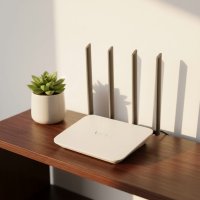
This device has been a lifesaver for our family’s internet at our cabin. We don’t have access to fiber, so relying on a SIM card for our home internet was the only real option. The setup was surprisingly easy, and it handles multiple devices without a hitch. My only minor complaint is that the battery life isn’t quite as long as I’d hoped when we take it outside.
Moving into a new apartment where the wired internet installation was delayed was a nightmare, but this cellular router saved us! We just popped in a SIM card, and boom, instant Wi-Fi for all our devices. It was super easy to get going and provided reliable internet until our fiber was finally set up. Definitely recommend it for temporary or flexible internet needs.
I got one of these for a backup internet solution, and it works okay. The 4G LTE speeds are decent for basic browsing and email, but I’ve noticed some lag during video calls when other devices are connected. I was hoping for something a bit more robust for those times our main internet goes down. It’s not bad, just not perfect for heavy use.
I finally pulled the trigger on a cellular WiFi router for our RV trips, and it’s been a game-changer. We used to struggle with unreliable campground Wi-Fi or draining our phone hotspots. Now, with the 5G capability, we get consistent speeds even in pretty remote areas. It’s so much better for streaming and working on the road.