A WiFi 6E mesh router transforms home connectivity by combining the ultra-fast, low-latency 6GHz frequency band with expansive, seamless mesh coverage, effectively eliminating dead zones and buffering. This advanced system ensures consistent, high-performance internet throughout your entire home, supporting numerous devices simultaneously for streaming, gaming, and working without compromise.
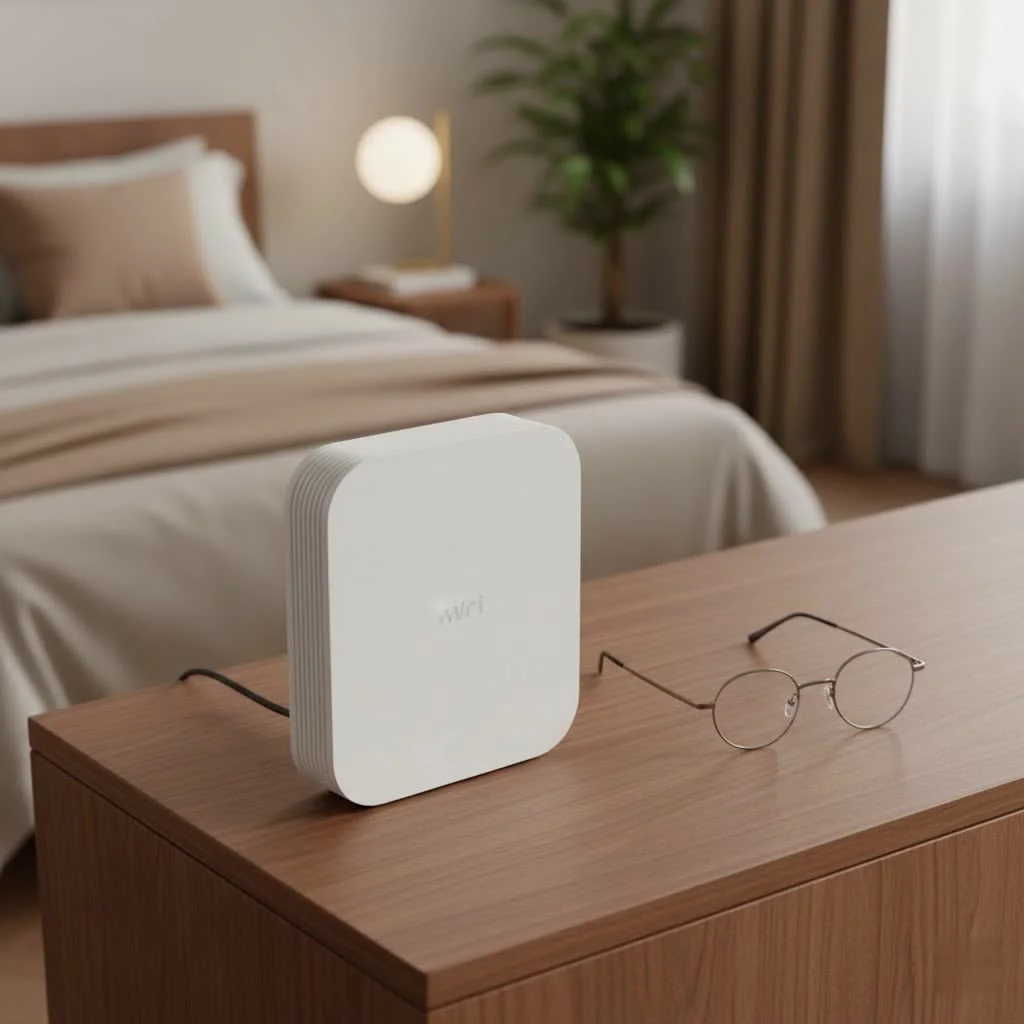
Understanding WiFi 6E: The 6GHz Superhighway
At its core, WiFi 6E is an extension of the existing WiFi 6 (802.11ax) standard. The “E” stands for “Extended,” signifying its most significant upgrade: the activation of the 6GHz frequency band. Previously, WiFi operated solely on the congested 2.4GHz and 5GHz bands. The introduction of 6GHz effectively triples the spectrum available for WiFi, unlocking a vast, clean, and interference-free space for your data. This includes up to 14 additional 80MHz channels and seven additional 160MHz channels, dramatically increasing bandwidth potential.
Why the “E” Matters: Unpacking the Benefits of WiFi 6E Technology
The jump to WiFi 6E isn’t just a minor iteration; it’s a major upgrade for modern households.
- Blazing Fast Speeds: With the 6GHz band, WiFi 6E allows for theoretical internet speeds exceeding 1 Gigabit per second (Gbps). This means quicker file downloads, instant cloud access, and a dramatically smoother experience for bandwidth-intensive activities like 4K and 8K video streaming.
- Ultra-Low Latency: For online gamers, video conference participants, or virtual reality (VR) enthusiasts, latency is everything. WiFi 6E significantly reduces latency to less than one millisecond, ensuring instantaneous responses to your commands and crystal-clear communication without frustrating delays.
- Unprecedented Capacity: Imagine a busy airport where every plane has its own dedicated runway. That’s the effect of WiFi 6E on your home network. It can handle a multitude of devices simultaneously, from your smart thermostat to multiple 8K TVs streaming content, without any slowdown. This increased capacity is particularly beneficial in densely populated areas where many neighboring WiFi networks compete for the same airwaves.
- Reduced Congestion and Interference: The 6GHz band is like a brand-new, uncongested highway. Older WiFi devices cannot access this band, meaning it’s free from the interference that often plagues the 2.4GHz and 5GHz frequencies. This “clean spectrum” translates directly into more reliable and efficient connections for your WiFi 6E-compatible devices.
The Mesh Advantage: Blanket Coverage for Your Entire Home
While a single WiFi 6E router offers impressive speeds, it might still struggle to cover every corner of a large, multi-story, or unusually shaped home. This is where a mesh WiFi system becomes indispensable. A mesh network uses multiple interconnected devices, often called “nodes” or “satellites,” to create a single, unified WiFi network that blankets your entire property. [cite: 4 (from search 4), 5 (from search 4)]
Unlike traditional range extenders that often create separate networks and degrade speed, mesh nodes communicate with each other to ensure a strong, consistent signal everywhere. As you move through your home, your device seamlessly switches between the nearest node without you ever noticing a dropped connection. This “seamless roaming” is a hallmark of a well-designed mesh system. When you combine the expansive, uniform coverage of a mesh system with the raw speed, low latency, and high capacity of WiFi 6E, you get the ultimate home networking solution.
Key Considerations Before Investing in a WiFi 6E Mesh Router
Upgrading to a WiFi 6E mesh system is a significant step, and like any advanced technology, there are factors to consider to ensure it’s the right choice for you.
The 6GHz Range Reality
|
Our Picks for the Best WiFi Router in 2026
As an Amazon Associate I earn from qualifying purchases.
|
||
| Num | Product | Action |
|---|---|---|
| 1 | TP-Link AC1200 WiFi Router (Archer A54) - Dual Band Wireless Internet Router, 4 x 10/100 Mbps Fast Ethernet Ports, EasyMesh Compatible, Support Guest WiFi, Access Point Mode, IPv6 & Parental Controls |

|
| 2 | TP-Link Dual-Band BE3600 Wi-Fi 7 Router Archer BE230 - 4-Stream - 2×2.5G + 3×1G Ports, USB 3.0, 2.0 GHz Quad Core, 4 Antennas - VPN, EasyMesh, HomeShield, MLO, Private IOT - Free Expert Support |
|
| 3 | Amazon eero 6 mesh wifi router with 1-month free eero Plus (auto-renews) - Supports internet plans up to 900 Mbps, Coverage up to 1,500 sq. ft., Connect 75+ devices, 1-pack |
|
| 4 | TP-Link AC1200 Gigabit WiFi Router (Archer A6) - Dual Band MU-MIMO Wireless Internet Router, 4 x Antennas, OneMesh and AP Mode, Long Range Coverage |
|
| 5 | RBLHGG-5acD-US LHG 5 ac - 5GHz 802.11ac Wireless Device with 24.5 dBi Dual-Pol Grid Antenna - 716 MHz CPU, 256MB RAM, Gigabit Port, RouterOS L3, PoE, US Version |
|
| 6 | TP-Link AX1800 WiFi 6 Router (Archer AX21) – Dual Band Wireless Internet, Gigabit, Easy Mesh, Works with Alexa - A Certified for Humans Device, Free Expert Support |
|
| 7 | TP-Link AXE5400 Tri-Band WiFi 6E Router (Archer AXE75), 2025 PCMag Editors\' Choice, Gigabit Internet for Gaming & Streaming, New 6GHz Band, 160MHz, OneMesh, Quad-Core CPU, VPN & WPA3 Security |
|
| 8 | TP-Link Tri-Band BE9300 WiFi 7 Router (Archer BE550) - 6-Stream, Full 2.5G Ports w/ 6 Internal Antennas, Up to 2,000 Sq Ft, Add Easy-Mesh Device for Extended Coverage, VPN Support, Free Expert Support |
|
| 9 | Amazon eero 6+ mesh wifi router with 1 month free eero Plus (auto-renews) - Coverage up to 1,500 sq. ft., Connect 75+ devices, 1-pack |
|
| 10 | TP-Link Archer BE6500 Dual-Band Wi-Fi 7 Router (Archer BE400) - Dual 2.5 Gbps Ports USB 3.0 - Covers up to 2,400 Sq. ft and 90 Devices - Quad-core CPU- HomeShield, Private IoT, Free Expert Support |
|
While the 6GHz band offers incredible speed and cleanliness, it comes with a trade-off: range. The shorter wavelengths used by 6GHz signals have a harder time traveling long distances and penetrating physical obstructions like thick walls, floors, and furniture. This means that while you’ll experience phenomenal speeds when close to a 6E node, the signal strength and speed on the 6GHz band can diminish significantly in other rooms. As Dr. Eleanor Vance, a renowned network architect, often advises, “The 6GHz band is a speed demon, but it’s not a long-distance runner. Understanding its shorter reach is paramount when planning your mesh deployment.”
Client Device Compatibility
To fully reap the benefits of WiFi 6E, both your mesh router system and your connected devices must support WiFi 6E. While WiFi 6E systems are backward-compatible with older WiFi 5 and WiFi 6 devices, those older devices won’t be able to access the exclusive 6GHz band. Make sure your newest smartphones, laptops, and other bandwidth-hungry gadgets are 6E-compatible to maximize your investment.
Wired Backhaul: The Performance Booster
Given the shorter range of the 6GHz band, especially when it needs to travel through walls, a wired backhaul is often the secret ingredient for optimal WiFi 6E mesh performance. Backhaul refers to the connection between your mesh nodes. If your home has Ethernet cabling, connecting your mesh satellites directly to your main router via an Ethernet cable can provide a rock-solid, multi-gigabit backbone for your entire mesh system. This frees up the wireless bands (including 6GHz) for your client devices, ensuring maximum speeds and reliability. While WiFi 6E mesh can operate wirelessly, a wired backhaul significantly enhances its performance, particularly in homes with many physical obstructions.
Cost vs. Benefit
Early adopter technology often comes with a premium price tag. While WiFi 6E mesh router prices are becoming more accessible, they can still represent a considerable investment compared to older WiFi 6 or WiFi 5 mesh systems. Weigh the benefits of ultra-fast speeds, lower latency, and increased capacity against your current internet plan, the number of devices you have, and your budget.
Looking Ahead: WiFi 7’s Arrival
WiFi 7 (802.11be), the next generation of WiFi, is already becoming available. While WiFi 6E is an excellent current standard, WiFi 7 promises even higher speeds and more advanced features. However, WiFi 7 is still in its early stages, and compatible client devices are scarce and expensive. WiFi 6E remains a robust and more affordable option that offers substantial improvements over previous generations and is forward-compatible with future WiFi 7 clients.
Setting Up Your WiFi 6E Mesh Network: A Step-by-Step Guide
Setting up a modern WiFi 6E mesh system is surprisingly straightforward, thanks to intuitive mobile apps provided by manufacturers.
- Preparation: Start by ensuring your internet modem is working correctly. Download the manufacturer’s dedicated app to your smartphone or tablet.
- Connect the Main Node: Plug your primary mesh router node into your modem using an Ethernet cable, then connect it to power. Wait for it to boot up, often indicated by a specific LED pattern.
- App-Guided Setup: Open the app and follow the on-screen prompts. You’ll typically create an account, name your network (SSID), and set a password. The app will detect your main node and guide you through the initial configuration.
- Position Satellite Nodes: Strategic placement is crucial. Place your additional satellite nodes about halfway between your main router and any areas with weak signal or “dead zones.” Aim for open spaces if possible, avoiding placing them inside cabinets or behind large objects. Some systems use automatic band-steering, creating a single network name for all bands, simplifying connectivity. [cite: 4 (from search 4)]
- Sync and Test: The app will guide you to power on each satellite node, allowing them to connect and sync with the main router. Once all nodes are online, use the app’s diagnostic tools to check signal strength and speed in various parts of your home, ensuring optimal coverage. Repositioning a node slightly can often make a big difference.
Frequently Asked Questions (FAQ)
Q: Do I need new devices to use WiFi 6E?
A: To fully utilize the 6GHz band and experience the top speeds and lowest latency of WiFi 6E, your client devices (smartphones, laptops, etc.) must also be WiFi 6E compatible. However, WiFi 6E mesh routers are backward-compatible with older WiFi 5 and WiFi 6 devices, which will still connect to the 2.4GHz and 5GHz bands. [cite: 1, 5 (from search 1)]
Q: Is a WiFi 6E mesh system better than a single powerful WiFi 6E router?
A: For most medium to large homes, or homes with multiple floors and obstructions, a WiFi 6E mesh system provides superior whole-home coverage and eliminates dead zones more effectively than a single router, even a powerful one. A single router’s 6GHz signal may not reach far due to its shorter range.
Q: Can I use WiFi 6E mesh with older WiFi devices?
A: Yes, absolutely. WiFi 6E mesh systems are designed to be backward compatible. Your older WiFi 5 and WiFi 6 devices will connect to the 2.4GHz and 5GHz bands, while your newer WiFi 6E devices can leverage the high-speed 6GHz band.
Q: What is “backhaul” in a mesh system?
A: Backhaul refers to the connection path between your main mesh router and its satellite nodes. It’s the internal communication link that keeps your mesh system working as a cohesive network. This connection can be wireless (using one of the WiFi bands) or wired (using Ethernet cables). For optimal WiFi 6E mesh performance, especially over distances, a wired backhaul is highly recommended.
Q: How many mesh nodes do I need?
A: The number of nodes depends on the size and layout of your home, as well as the building materials. Most mesh systems come in packs of two or three nodes. For a typical medium-sized home (2,000-4,000 sq ft), two or three nodes are usually sufficient. Larger homes or those with dense walls may benefit from additional nodes. Manufacturers often provide coverage estimates for their systems.
The Future-Proof Network You Deserve
A WiFi 6E mesh router is more than just an upgrade; it’s an investment in a future-proof home network that meets the demands of our increasingly connected lives. By combining the groundbreaking speed, low latency, and interference-free nature of the 6GHz band with the expansive, seamless coverage of a mesh system, you can banish dead zones and buffering for good. You’ll enjoy consistent, high-performance internet in every room, empowering your family to stream, game, work, and connect simultaneously without compromise.
Don’t settle for patchy WiFi. Take control of your home network and experience the transformative power of a WiFi 6E mesh router system. It’s time to build a network that truly works for you, safely and efficiently, paving the way for the next generation of digital experiences.
Frequently Asked Questions
Do I need new devices to fully use a WiFi 6E mesh system?
To fully utilize the 6GHz band and experience the top speeds and lowest latency of WiFi 6E, your client devices (smartphones, laptops, etc.) must also be WiFi 6E compatible. However, WiFi 6E mesh routers are backward-compatible with older WiFi 5 and WiFi 6 devices, which will still connect to the 2.4GHz and 5GHz bands.
Is a WiFi 6E mesh system better than a single powerful router?
For most medium to large homes, or homes with multiple floors and obstructions, a WiFi 6E mesh system provides superior whole-home coverage and eliminates dead zones more effectively than a single router. A single router's 6GHz signal may not reach far due to its shorter range and difficulty penetrating walls.
Can older WiFi devices connect to a WiFi 6E mesh network?
Yes, absolutely. WiFi 6E mesh systems are designed to be backward compatible. Your older WiFi 5 and WiFi 6 devices will connect to the 2.4GHz and 5GHz bands, while your newer WiFi 6E devices can leverage the high-speed 6GHz band for optimal performance.
What is backhaul in the context of a mesh WiFi system?
Backhaul refers to the connection path between your main mesh router and its satellite nodes, serving as the internal communication link for the cohesive network. This connection can be wireless (using one of the WiFi bands) or wired (using Ethernet cables). For optimal WiFi 6E mesh performance, especially over distances, a wired backhaul is highly recommended.
How many mesh nodes are typically required for a home?
The number of nodes depends on your home's size, layout, and building materials. Most mesh systems come in packs of two or three nodes. For a typical medium-sized home (2,000-4,000 sq ft), two or three nodes are usually sufficient, while larger homes may benefit from additional nodes.
Get our weekly buyer guide
Practical specs, not advice. Unsubscribe anytime.
I finally upgraded to a WiFi 6E mesh system and it’s been a game-changer for my smart home. With so many devices connected, I used to experience slowdowns, especially during peak hours. Now, everything from my security cameras to my streaming devices runs flawlessly, even when my kids are gaming online. The 6GHz band really does make a difference for congestion.
Working from home and having two teenagers who game constantly meant our old WiFi was always struggling. The new WiFi 6E mesh router has completely solved our issues. The low-latency connection is fantastic for online gaming, and I can finally have uninterrupted video conferences without worrying about my internet dropping. It truly provides consistent, high-performance internet throughout our entire house.
This WiFi 6E mesh router has significantly improved my home office setup. I used to have dead zones in my backyard office, but the mesh coverage now reaches perfectly. My video calls are much more stable, and large file transfers are noticeably faster. My only minor gripe is that the initial setup took a bit longer than I expected, but once it was running, it’s been solid.
I bought a WiFi 6E mesh system hoping to eliminate all buffering during 4K streaming, and while it’s better, it’s not a complete miracle worker. The 6GHz band is great for my newer devices, but my older gadgets don’t see much improvement. It’s definitely an upgrade from my old router, but I still get an occasional hiccup, especially when everyone’s home.