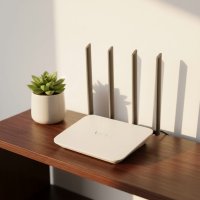
Are you tired of “lag” turning your winning streak into a frustrating freeze-frame? Does your online gaming experience feel more like a slideshow than a smooth, responsive battle? It’s a common scenario: you’ve invested in a powerful gaming rig or console, but your network can’t keep up, creating a bottleneck that ruins the fun. If this sounds familiar, it’s time to consider a dedicated gaming WiFi router. Unlike standard routers, a gaming WiFi router isn’t just about getting online; it’s about optimizing every packet of data to give you the competitive edge and a flawlessly smooth online experience.
Beyond the Bling: Core Differences
At its heart, a gaming WiFi router is engineered with online gaming as its top priority. While many standard routers can handle basic internet tasks, they often struggle under the demanding, real-time pressure of online multiplayer games, especially when other devices are simultaneously streaming video, downloading files, or simply browsing. Gaming routers are built to cut through this digital clutter. They feature more robust hardware, specialized software, and advanced features designed to minimize latency, eliminate ping spikes, and ensure your game data gets preferential treatment on your network. Think of it as upgrading from a general-purpose family car to a high-performance sports car, specifically tuned for speed and responsiveness on the digital highway. For browse all home articles on this site.
The Unfair Advantage: Key Benefits
Investing in a gaming WiFi router can transform your gaming sessions, offering several crucial benefits. First and foremost, you’ll experience improved network stability, meaning fewer unexpected disconnects and a more consistent connection during critical moments. Secondly, traffic prioritization ensures your game data always takes precedence, preventing lag caused by other household devices. This leads to lower latency and reduced ping, allowing for quicker reactions and a smoother gameplay feel. Furthermore, many gaming routers come with enhanced security features to protect your network from threats, and they’re designed to support multiple devices simultaneously without compromising performance. Finally, the extensive customization and control options empower you to fine-tune your network precisely to your needs, giving you command over your digital battlefield.
“A truly optimized gaming experience starts at the foundation – your router. Many gamers overlook this, but prioritizing network traffic and having dedicated hardware can be as impactful as a high-end GPU,” says Dr. Anya Sharma, Lead Network Architect at Xzike Labs.
Key Features to Dominate Your Network
Choosing the right gaming WiFi router means understanding the technologies that make a real difference. Here’s what to look for:
Blazing Speeds with Next-Gen Wi-Fi (Wi-Fi 6, 6E, 7)
The latest Wi-Fi standards are crucial for high-performance gaming. Wi-Fi 6 (802.11ax) offers significantly faster speeds and better efficiency in congested networks compared to its predecessors. Wi-Fi 6E takes it a step further by introducing the 6GHz band, an ultra-wide, uncluttered highway for your data, leading to even lower latency and higher speeds, especially for compatible devices. Looking ahead, Wi-Fi 7 (802.11be) pushes boundaries even further with higher throughput and improved multi-link operations. Ensure your chosen gaming WiFi router supports at least Wi-Fi 6, with Wi-Fi 6E or 7 being ideal for future-proofing your setup, especially if your gaming devices also support these newer standards.
Smart Traffic Management: Quality of Service (QoS) Explained
What does Quality of Service (QoS) do? QoS allows you to prioritize specific types of network traffic, ensuring that your gaming packets always get preferential treatment. This means if someone else is streaming 4K video or downloading large files, your game won’t suffer from bandwidth deprivation. It’s like having a VIP lane for your game data, controlling jitter and significantly lowering latency to maintain a smooth, responsive connection.
Multi-Band Magic: 2.4GHz, 5GHz, and the Game-Changing 6GHz
Most gaming WiFi routers operate on multiple frequency bands. Dual-band routers use 2.4GHz and 5GHz. The 2.4GHz band offers wider coverage and better wall penetration but is slower and more prone to interference. The 5GHz band provides faster speeds and lower latency but has a shorter range. Tri-band routers add a second 5GHz band or, in the case of Wi-Fi 6E and Wi-Fi 7, a 6GHz band. This extra band acts as a dedicated express lane for your gaming devices, drastically reducing congestion and interference, which is critical for competitive online play.
Power Under the Hood: Processors and RAM
A gaming router isn’t just about antennas and bands; it needs a powerful brain. Look for routers equipped with robust multi-core processors and ample RAM. This hardware muscle enables the router to efficiently handle multiple devices, process complex traffic prioritization rules, and maintain high speeds even under heavy network load, preventing slowdowns and maintaining stability.
Targeted Signals: MU-MIMO and Beamforming
These technologies work in tandem to improve your wireless connection. MU-MIMO (Multi-User, Multiple Input, Multiple Output) allows the router to communicate with multiple devices simultaneously, rather than one at a time, enhancing overall network efficiency. Beamforming, on the other hand, intelligently directs Wi-Fi signals towards your connected devices instead of broadcasting them indiscriminately. This focused signal strengthens the connection to your gaming console or PC, providing a more stable and faster wireless experience.
Dedicated Lanes for Victory: Gaming Ethernet Ports
Many high-end gaming WiFi routers come equipped with dedicated gaming Ethernet ports, often colored distinctly. What’s special about these ports? They are specifically configured to automatically prioritize traffic from devices connected to them, bypassing general QoS settings to ensure minimal latency and maximum bandwidth for your gaming rig. Additionally, look for multi-gigabit (2.5GbE or even 10GbE) Ethernet ports for blistering wired speeds, especially if your internet service provider offers plans faster than 1 Gigabit per second.
Seamless Connections: Port Forwarding and UPnP
For certain games, especially older titles or specific server setups, port forwarding can be essential. This feature directs specific incoming internet traffic directly to your gaming device, bypassing potential roadblocks and reducing connection issues. UPnP (Universal Plug and Play) is a more user-friendly alternative that automates this process, allowing compatible gaming devices and applications to automatically configure the necessary port settings for optimal performance without manual intervention.
Optimizing Your Gaming WiFi Router for Peak Performance
|
Our Picks for the Best WiFi Router in 2026
As an Amazon Associate I earn from qualifying purchases.
|
||
| Num | Product | Action |
|---|---|---|
| 1 | Amazon eero 6+ mesh wifi router with 1 month free eero Plus (auto-renews) - Coverage up to 1,500 sq. ft., Connect 75+ devices, 1-pack |

|
| 2 | TP-Link AC1200 Gigabit WiFi Router (Archer A6) - Dual Band MU-MIMO Wireless Internet Router, 4 x Antennas, OneMesh and AP Mode, Long Range Coverage |
|
| 3 | TP-Link Dual-Band BE3600 Wi-Fi 7 Router Archer BE230 - 4-Stream - 2×2.5G + 3×1G Ports, USB 3.0, 2.0 GHz Quad Core, 4 Antennas - VPN, EasyMesh, HomeShield, MLO, Private IOT - Free Expert Support |
|
| 4 | Amazon eero 6 mesh wifi router with 1-month free eero Plus (auto-renews) - Supports internet plans up to 900 Mbps, Coverage up to 1,500 sq. ft., Connect 75+ devices, 1-pack |
|
| 5 | TP-Link Archer BE6500 Dual-Band Wi-Fi 7 Router (Archer BE400) - Dual 2.5 Gbps Ports USB 3.0 - Covers up to 2,400 Sq. ft and 90 Devices - Quad-core CPU- HomeShield, Private IoT, Free Expert Support |
|
| 6 | TP-Link AC1200 WiFi Router (Archer A54) - Dual Band Wireless Internet Router, 4 x 10/100 Mbps Fast Ethernet Ports, EasyMesh Compatible, Support Guest WiFi, Access Point Mode, IPv6 & Parental Controls |
|
| 7 | RBLHGG-5acD-US LHG 5 ac - 5GHz 802.11ac Wireless Device with 24.5 dBi Dual-Pol Grid Antenna - 716 MHz CPU, 256MB RAM, Gigabit Port, RouterOS L3, PoE, US Version |
|
| 8 | TP-Link AX1800 WiFi 6 Router (Archer AX21) – Dual Band Wireless Internet, Gigabit, Easy Mesh, Works with Alexa - A Certified for Humans Device, Free Expert Support |
|
| 9 | TP-Link Tri-Band BE9300 WiFi 7 Router (Archer BE550) - 6-Stream, Full 2.5G Ports w/ 6 Internal Antennas, Up to 2,000 Sq Ft, Add Easy-Mesh Device for Extended Coverage, VPN Support, Free Expert Support |
|
| 10 | TP-Link AXE5400 Tri-Band WiFi 6E Router (Archer AXE75), 2025 PCMag Editors\' Choice, Gigabit Internet for Gaming & Streaming, New 6GHz Band, 160MHz, OneMesh, Quad-Core CPU, VPN & WPA3 Security |
|
Even the best gaming WiFi router won’t reach its full potential without proper setup and optimization. Here’s how to fine-tune your network for victory:
Wired is Still King: The Power of Ethernet
Why is an Ethernet cable so important for gaming? While Wi-Fi technology has made incredible strides, a wired Ethernet connection remains the gold standard for competitive gaming. It virtually eliminates wireless interference, offers the lowest possible latency, and provides the most stable connection. If possible, always connect your primary gaming PC or console directly to your gaming WiFi router using a high-quality Cat5e or Cat6 Ethernet cable. This simple step can shave milliseconds off your ping and significantly improve stability.
Fine-Tuning Your QoS Settings
How do I configure QoS for gaming? Access your router’s administration interface (usually via a web browser using an IP address like 192.168.1.1). Look for “QoS,” “Traffic Control,” or “Bandwidth Management” settings. Enable QoS and prioritize your gaming device by its MAC address or IP address, or by selecting a “Gaming” profile if available. Save your changes and reboot the router. This tells your router to put your gaming traffic at the front of the line.
Keep it Fresh: Firmware Updates
Why should I update my router’s firmware? Router manufacturers frequently release firmware updates to improve performance, enhance security, and fix bugs. Keeping your gaming WiFi router’s firmware up-to-date ensures you have the latest optimizations and protections. Check your router’s administrative interface or the manufacturer’s website for available updates regularly.
Strategic Placement: Where Your Router Lives Matters
Does router placement affect gaming performance? Absolutely! For optimal Wi-Fi signal strength and coverage, place your gaming WiFi router in a central location within your home, elevated and away from obstructions like thick walls, large metal objects, and other electronics that can cause interference. A clear line of sight to your gaming device is always best for a strong wireless connection.
Channel Surfing: Finding the Clearest Wi-Fi Path
How do I find the best Wi-Fi channel? Wireless interference from neighboring networks can degrade your Wi-Fi performance. Use a Wi-Fi analyzer app on your smartphone or computer to scan for nearby networks and identify the least congested channels. For the 2.4GHz band, channels 1, 6, and 11 are generally recommended due to minimal overlap. For the 5GHz and 6GHz bands, there are more channels available, including DFS (Dynamic Frequency Selection) channels, which can be less crowded. Manually select a quiet channel in your router settings to reduce interference.
Activating “Game Mode”
Many modern gaming WiFi routers feature a dedicated “Game Mode” or “Game Boost” setting. What does “Game Mode” do? This one-click optimization feature automatically adjusts various router settings—like QoS, DNS, and traffic prioritization—to favor gaming applications, providing an instant boost to your online performance. Check your router’s software interface or companion app to enable this feature for quick and easy optimization.
FAQ
Do gaming routers really make a difference?
Yes, absolutely. A gaming WiFi router is specifically designed to prioritize gaming traffic, reduce latency, and offer advanced features like QoS, dedicated gaming ports, and optimized Wi-Fi bands. If your home has multiple internet users or your existing router struggles with high demand, a gaming router can make a noticeable and significant difference in your online gaming experience.
What internet speed do I need for gaming?
While higher speeds are always beneficial, online gaming doesn’t typically require extremely high download speeds (most games only use 10-50 Mbps). The most crucial factor is low latency (ping). A stable connection with low ping (ideally under 20-30ms) is far more important than raw download speed. However, for large game downloads and updates, faster speeds (100 Mbps or more) are certainly convenient.
Should I use 2.4GHz or 5GHz for gaming?
For gaming, you should almost always use the 5GHz band (or 6GHz if available and your devices are compatible) if your gaming device is relatively close to the router. The 5GHz band offers faster speeds and significantly less interference than the 2.4GHz band, leading to lower latency and a more stable connection. Only use 2.4GHz if your gaming setup is far from the router or separated by multiple walls where the 5GHz signal might be too weak.
Is mesh WiFi good for gaming?
Mesh WiFi systems provide excellent coverage for large homes, but a dedicated gaming router often offers more granular control over gaming-specific features like QoS and dedicated gaming ports. For competitive gaming, a powerful standalone gaming WiFi router, especially combined with wired connections, usually provides superior low-latency performance than a mesh system. However, some high-end mesh systems are now incorporating gaming-centric features.
How often should I update my router’s firmware?
It’s generally recommended to check for and apply firmware updates for your gaming WiFi router every few months, or whenever the manufacturer releases a critical update. Firmware updates often include performance enhancements, security patches, and new features that can directly benefit your gaming experience.
Conclusion
Say goodbye to lag and dropped connections, and hello to a seamless, responsive gaming experience. A powerful gaming WiFi router isn’t just another gadget; it’s an essential investment for any serious online gamer looking to optimize their network and gain a competitive edge. By understanding the key features and implementing smart optimization techniques, you can transform your home network into a high-performance gaming arena. Ready to take control of your ping and dominate the leaderboards? Explore the options, pick the gaming WiFi router that fits your needs, and share your upgraded gaming experiences with us!
Get our weekly buyer guide
Practical specs, not advice. Unsubscribe anytime.