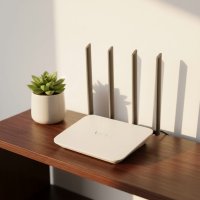
In today’s hyper-connected world, our home networks are the invisible backbone supporting everything from critical work video calls to immersive 4K streaming and competitive online gaming. If your internet often feels sluggish, or if “buffering” is a word you hear too often, it might be time to consider an upgrade. This is where a TP-Link WiFi 6 router steps in, offering a robust solution to revolutionize your home’s connectivity. As your trusted guide from Xzike.com, with over 15 years in the trenches of network management, I’m here to demystify what makes TP-Link WiFi 6 routers a game-changer for speed, efficiency, and reliability, helping you choose and optimize the perfect fit for your digital life.
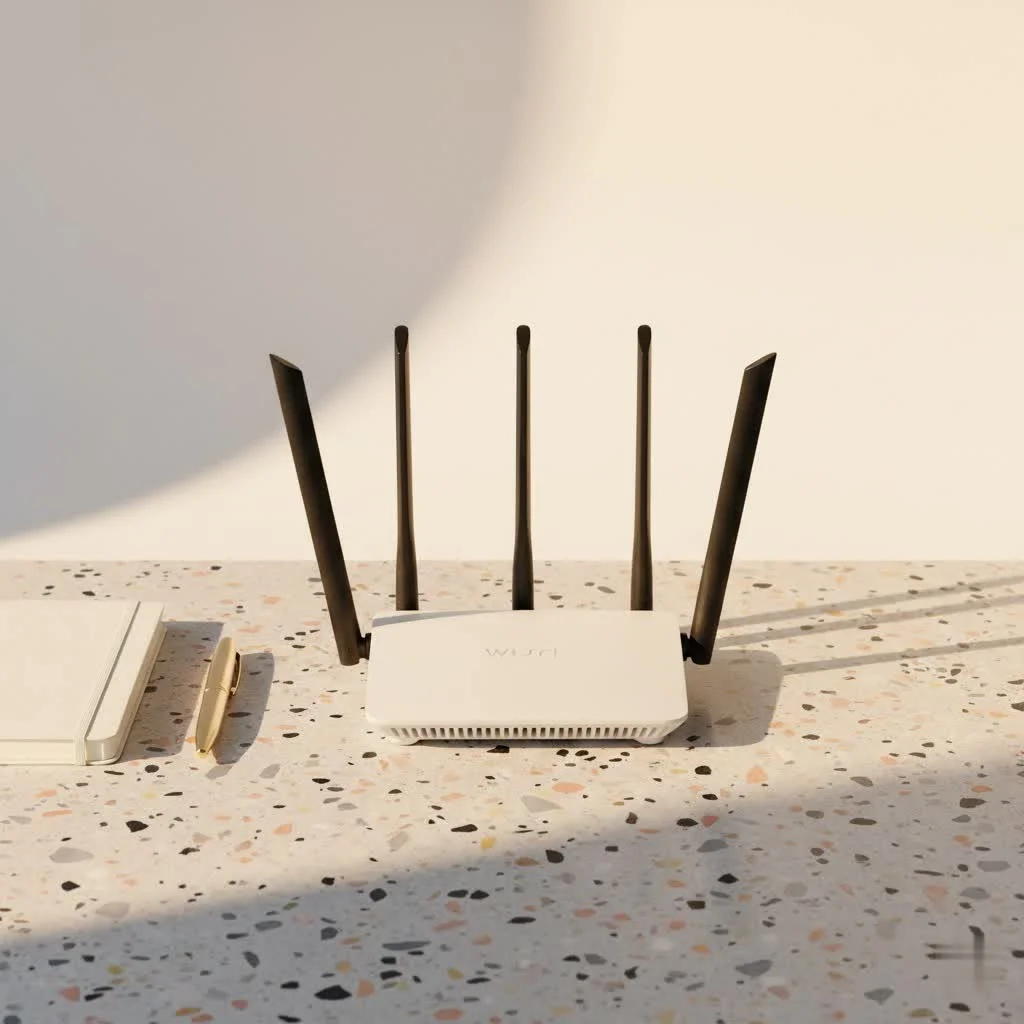
Why Upgrade? The Power of WiFi 6 Explained
Think of your current WiFi as a single-lane road. The more cars (devices) you add, the slower traffic gets. WiFi 6, also known as 802.11ax, completely reimagines this, turning that single lane into a multi-lane highway with smart traffic management. It’s not just about raw speed; it’s about making your entire network experience smoother, even when everyone in your household is online simultaneously.
Faster Speeds, More Bandwidth
A primary benefit of a TP-Link WiFi 6 router is the significant boost in data rates. While headline speeds can reach into the thousands of Mbps, it’s the efficient utilization of bandwidth that truly matters. On the 5GHz band, where most high-bandwidth activities like streaming and gaming occur, you’ll experience noticeably quicker downloads, uploads, and less latency. Many entry-level TP-Link AX1500 routers, for example, deliver up to 1201 Mbps on the 5GHz band, a substantial leap from older standards, ensuring your demanding tasks run without a hitch.
Handling More Devices Like a Pro
Modern homes are brimming with smart devices—phones, tablets, laptops, smart TVs, security cameras, and voice assistants. Older WiFi standards struggle with this density, leading to congestion. WiFi 6 introduces two revolutionary technologies to tackle this head-on:
- OFDMA (Orthogonal Frequency-Division Multiple Access): Imagine a delivery truck that can carry multiple packages for different recipients in a single trip. That’s OFDMA for your data. Instead of sending data to one device at a time, OFDMA allows a TP-Link WiFi 6 router to send data to several devices simultaneously within a single transmission, dramatically increasing efficiency and reducing latency, especially in busy networks.
- MU-MIMO (Multi-User, Multiple-Input, Multiple-Output): While OFDMA enhances efficiency within a single channel, MU-MIMO expands the number of “express lanes” your router has. Instead of talking to one device at a time, a WiFi 6 router with MU-MIMO can communicate with multiple devices at once, making multitasking across your smart home seamless and reducing wait times for each device.
Expanded Coverage and Stable Connections
|
Our Picks for the Best WiFi Router in 2026
As an Amazon Associate I earn from qualifying purchases.
|
||
| Num | Product | Action |
|---|---|---|
| 1 | Amazon eero 6+ mesh wifi router with 1 month free eero Plus (auto-renews) - Coverage up to 1,500 sq. ft., Connect 75+ devices, 1-pack |

|
| 2 | TP-Link Archer BE6500 Dual-Band Wi-Fi 7 Router (Archer BE400) - Dual 2.5 Gbps Ports USB 3.0 - Covers up to 2,400 Sq. ft and 90 Devices - Quad-core CPU- HomeShield, Private IoT, Free Expert Support |
|
| 3 | Amazon eero 6 mesh wifi router with 1-month free eero Plus (auto-renews) - Supports internet plans up to 900 Mbps, Coverage up to 1,500 sq. ft., Connect 75+ devices, 1-pack |
|
| 4 | TP-Link AC1200 Gigabit WiFi Router (Archer A6) - Dual Band MU-MIMO Wireless Internet Router, 4 x Antennas, OneMesh and AP Mode, Long Range Coverage |
|
| 5 | TP-Link AC1200 WiFi Router (Archer A54) - Dual Band Wireless Internet Router, 4 x 10/100 Mbps Fast Ethernet Ports, EasyMesh Compatible, Support Guest WiFi, Access Point Mode, IPv6 & Parental Controls |
|
| 6 | TP-Link Dual-Band BE3600 Wi-Fi 7 Router Archer BE230 - 4-Stream - 2×2.5G + 3×1G Ports, USB 3.0, 2.0 GHz Quad Core, 4 Antennas - VPN, EasyMesh, HomeShield, MLO, Private IOT - Free Expert Support |
|
| 7 | RBLHGG-5acD-US LHG 5 ac - 5GHz 802.11ac Wireless Device with 24.5 dBi Dual-Pol Grid Antenna - 716 MHz CPU, 256MB RAM, Gigabit Port, RouterOS L3, PoE, US Version |
|
| 8 | TP-Link AXE5400 Tri-Band WiFi 6E Router (Archer AXE75), 2025 PCMag Editors\' Choice, Gigabit Internet for Gaming & Streaming, New 6GHz Band, 160MHz, OneMesh, Quad-Core CPU, VPN & WPA3 Security |
|
| 9 | TP-Link AX1800 WiFi 6 Router (Archer AX21) – Dual Band Wireless Internet, Gigabit, Easy Mesh, Works with Alexa - A Certified for Humans Device, Free Expert Support |
|
| 10 | TP-Link Tri-Band BE9300 WiFi 7 Router (Archer BE550) - 6-Stream, Full 2.5G Ports w/ 6 Internal Antennas, Up to 2,000 Sq Ft, Add Easy-Mesh Device for Extended Coverage, VPN Support, Free Expert Support |
|
Weak WiFi spots are frustrating, but TP-Link WiFi 6 routers come equipped to blanket your home with a stronger, more reliable signal. Features like Beamforming intelligently focus the wireless signal directly towards your connected devices, rather than broadcasting it indiscriminately. Coupled with high-performance external antennas found on many TP-Link models, this technology ensures that even in far corners of your home, you’re getting a clear and stable connection, effectively eliminating those frustrating dead zones.
Extending Your Device’s Battery Life with TWT
One often-overlooked benefit of WiFi 6 is Target Wake Time (TWT). This clever feature allows your TP-Link WiFi 6 router to schedule when devices communicate, letting them go into a sleep mode during their non-transmission periods. This scheduled communication significantly reduces power consumption for client devices like smartphones and smart home gadgets, extending their battery life. It’s like your devices taking smart power naps, ready to spring into action precisely when needed.
TP-Link’s Arsenal: Popular WiFi 6 Router Models
TP-Link offers a diverse range of WiFi 6 routers, catering to every need and budget. From cost-effective entry points to high-performance beasts, there’s a TP-Link WiFi 6 router designed to fit your specific requirements.
The Entry Point: TP-Link Archer AX1500 Series (e.g., AX10, AX15, AX12)
If you’re looking to dip your toes into the WiFi 6 waters without breaking the bank, models like the Archer AX10, AX12, or AX15 (often part of the AX1500 class) are excellent choices. They provide a solid foundation for WiFi 6 benefits, offering reliable 5GHz performance and dual-band operation. While these budget-friendly options might sometimes lack advanced features such as USB ports or multi-gigabit LAN ports, and some early models might not support 160MHz channel width or WPA3 encryption, they still deliver a significant upgrade over older WiFi 5 routers for most users. The Archer AX15, for example, is noted for its WPA3 support and ease of use.
The Mid-Range Champion: TP-Link Archer AX1800 Series
For busy households where multiple people are streaming, gaming, or working from home, the TP-Link Archer AX1800 series strikes a great balance between performance and affordability. These routers are designed to handle a higher density of devices and more demanding online activities, ensuring everyone stays connected without compromising speed or stability.
The Powerhouse: TP-Link Archer AX6000 Series and Beyond
For power users, large homes, or those building an extensive smart home ecosystem, the Archer AX6000 and similar high-end models are engineered for peak performance. These TP-Link WiFi 6 routers boast ultra-fast theoretical speeds (up to 6000 Mbps for the AX6000), often feature multiple Gigabit or even 2.5 Gigabit WAN/LAN ports for blazing-fast wired connections, and integrate robust security measures. They are built to deliver rock-solid performance even under the heaviest network loads, making them ideal for competitive gamers, 4K streamers, and users with multi-gig internet plans.
Seamless Control: Managing Your TP-Link WiFi 6 Router
One of TP-Link’s standout features across its router lineup is the emphasis on user-friendly management, making advanced network control accessible to everyone.
The Intuitive TP-Link Tether App
Setting up and managing your TP-Link WiFi 6 router couldn’t be easier, thanks to the TP-Link Tether app. Available for both Android and iOS, this intuitive app walks you through the initial setup in minutes, often without needing a computer. Once your network is up and running, the Tether app becomes your command center, allowing you to:
- Monitor your network: See connected devices, network status, and traffic usage.
- Manage devices: Prioritize specific devices, block unwanted users, or pause internet access.
- Set up parental controls: Create profiles, block websites by keywords, and set time limits for internet access.
- Establish guest networks: Provide secure, isolated access for visitors without compromising your main network’s security.
- Utilize Smart Connect: This feature allows both the 2.4GHz and 5GHz bands to share the same SSID, letting the router automatically assign devices to the best band for optimal performance.
Advanced Web Interface for Deep Customization
While the Tether app handles most day-to-day tasks, TP-Link also provides a comprehensive web-based interface for those who want to dive deeper. This browser dashboard offers advanced customization options, including VPN settings, detailed port forwarding rules, granular firewall configurations, and more intricate network diagnostics. It’s perfect for users who want complete control over every aspect of their TP-Link WiFi 6 router.
Prioritizing Your Network: Security and Optimization
A powerful network is only truly effective when it’s secure and optimized for your specific usage patterns. TP-Link WiFi 6 routers excel in both these areas.
Fortifying Your Digital Castle with WPA3
Network security is paramount. Many modern TP-Link WiFi 6 routers support WPA3 encryption, the latest standard that offers enhanced protection against brute-force attacks and improves overall security for both personal and public WiFi networks. It’s a crucial layer of defense against evolving cyber threats, giving you peace of mind that your data is better protected.
Beyond Encryption: Firewalls and Access Controls
In addition to WPA3, TP-Link routers often integrate robust security features such as an SPI Firewall (Stateful Packet Inspection), which examines incoming data packets to prevent malicious traffic. Access Control features allow you to whitelist or blacklist specific devices, while IP & MAC Binding can prevent unauthorized devices from connecting. Some high-end models even offer built-in VPN server capabilities, allowing you to create a secure, encrypted connection to your home network from anywhere in the world.
Smart Network Prioritization with QoS (Quality of Service)
Ever had your game lag because someone started streaming a movie? Quality of Service (QoS) settings on your TP-Link WiFi 6 router can put an end to that. QoS allows you to prioritize specific devices or types of traffic (like gaming or video streaming) over others. This means your critical applications get the bandwidth they need first, ensuring a smooth, uninterrupted experience for your most important online activities.
Creating a Safe Online Haven: Parental Controls and Guest Networks
For families, Parental Controls are invaluable. As mentioned, the Tether app allows you to filter websites by keywords, set internet time limits for specific users, and schedule internet pauses. Additionally, setting up a Guest Network creates a separate WiFi access point for visitors, keeping your main network and its connected devices private and secure.
Choosing Your Perfect TP-Link WiFi 6 Router: A Practical Guide
Selecting the right TP-Link WiFi 6 router isn’t just about getting the fastest one; it’s about finding the best fit for your unique needs.
- Consider Your Internet Speed: Match your router’s capabilities to your internet service provider’s (ISP) plan. If you have a gigabit internet connection, a router like the Archer AX6000 with a 2.5G WAN port can fully utilize that speed. For standard connections, an AX1500 or AX1800 might be perfectly sufficient.
- Home Size and Layout: For smaller apartments, even an entry-level TP-Link WiFi 6 router can provide ample coverage. For larger homes or multi-story residences, consider models with stronger antennas or explore TP-Link’s Easy Mesh technology, which allows you to seamlessly extend coverage with compatible mesh units.
- Number and Type of Devices: A household with many smart home devices, multiple streamers, and avid gamers will benefit more from a router with higher capacity (e.g., AX1800 or AX6000) due to their enhanced OFDMA and MU-MIMO capabilities.
- Your Budget: TP-Link offers excellent WiFi 6 options across all price points. Determine your budget first, then explore the best features available within that range. Remember, a more expensive router isn’t always necessary if your usage doesn’t demand it.
- Gaming and Streaming Needs: If gaming or 4K streaming is a priority, look for a TP-Link WiFi 6 router with robust QoS settings and powerful processors to minimize latency and ensure smooth performance under load.
Expert Insight: A Word from Xzike.com’s Lead Network Engineer
“Upgrading to a TP-Link WiFi 6 router is more than just a speed bump; it’s an investment in a more resilient and efficient home network,” says David Chen, Lead Network Engineer at Xzike.com. “The real magic of WiFi 6, especially with TP-Link’s implementation, lies in its ability to manage multiple devices intelligently, delivering a consistent, high-performance experience that truly future-proofs your digital lifestyle. It’s about ensuring every device, from your smart fridge to your gaming console, gets the bandwidth it needs without compromise.”
FAQ: Your TP-Link WiFi 6 Router Questions Answered
1. What is the main advantage of a TP-Link WiFi 6 router over a WiFi 5 router?
The primary advantages are significantly increased network capacity, better efficiency in handling multiple devices simultaneously through technologies like OFDMA and MU-MIMO, improved coverage, and often faster theoretical speeds, leading to a smoother overall experience, especially in busy networks.
2. Can older devices connect to a TP-Link WiFi 6 router?
Yes, absolutely. TP-Link WiFi 6 routers are backward compatible with all previous WiFi standards (802.11a/b/g/n/ac). Your older devices will connect seamlessly, though they won’t be able to utilize all the advanced features and speeds of WiFi 6.
3. How does OFDMA improve my home network?
OFDMA (Orthogonal Frequency-Division Multiple Access) improves your network by allowing the TP-Link WiFi 6 router to transmit data to multiple devices at the same time within a single channel. This is far more efficient than older methods that send data to one device at a time, reducing latency and congestion for a smoother experience, particularly when many devices are active.
4. Is the TP-Link Tether app essential for setting up my router?
While not strictly essential as you can use a web-based interface, the TP-Link Tether app makes setup incredibly easy and intuitive, guiding you step-by-step from your smartphone. It also offers convenient on-the-go management of your network settings and connected devices.
5. Which TP-Link WiFi 6 router is best for gaming?
For serious gamers, look for a high-performance TP-Link WiFi 6 router like the Archer AX6000 or models specifically advertised as “gaming routers” (e.g., Archer AX11000 if considering beyond AX6000). These typically feature higher AX ratings, more powerful processors, multi-gig ports, and advanced QoS settings to prioritize gaming traffic for minimal latency and lag-free gameplay.
6. Do all TP-Link WiFi 6 routers support WPA3 security?
Most newer TP-Link WiFi 6 routers do support WPA3 encryption for enhanced security. However, some earlier or budget-focused AX models might not. Always check the specifications of the particular model you are interested in to confirm WPA3 support. The Archer AX15, for instance, is confirmed to support WPA3.
7. How can I extend the range of my TP-Link WiFi 6 router?
To extend the range, you can strategically place the router in a central location, minimize obstructions, and reduce interference. For larger homes, consider a TP-Link Easy Mesh compatible router, which allows you to add additional TP-Link Easy Mesh devices (like range extenders or other routers) to create a seamless whole-home mesh network.
Conclusion
Upgrading to a TP-Link WiFi 6 router is one of the smartest investments you can make for your home network. It’s about more than just numbers; it’s about experiencing a consistently fast, stable, and responsive internet connection across all your devices, no matter how demanding your household’s digital life becomes. From the intelligent traffic management of OFDMA and MU-MIMO to the power-saving Target Wake Time and robust WPA3 security, TP-Link WiFi 6 routers are engineered to meet the challenges of today and tomorrow. Explore TP-Link’s diverse range, find the model that perfectly fits your needs, and take control of your network. The future of connectivity is here, and it’s waiting for you to plug in and experience the difference.
Get our weekly buyer guide
Practical specs, not advice. Unsubscribe anytime.