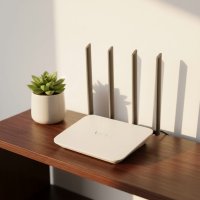
In today’s hyper-connected world, a reliable and lightning-fast internet connection isn’t just a luxury – it’s a necessity. From working remotely and streaming 4K content to powering smart homes and competitive online gaming, our digital lives demand robust connectivity. This is where the 5G WiFi router steps in, revolutionizing how we access the internet. If you’ve ever felt limited by traditional broadband or struggled with slow, unreliable connections, understanding the power of a 5G WiFi router could be the game-changer you need. It’s more than just another gadget; it’s your gateway to a seamless, high-speed future, delivering the incredible speed and low latency of 5G cellular networks directly to your devices via Wi-Fi.

What Exactly is a 5G WiFi Router?
Let’s cut through the jargon. A 5G WiFi router is essentially a device that captures the incredibly fast 5G cellular network signal and then broadcasts it as a Wi-Fi network, just like your traditional home router. Think of it as a portable modem and router rolled into one, but instead of needing a cable or fiber connection, it uses a cellular SIM card, much like your smartphone, to connect to the internet.
It’s crucial to distinguish this from “5GHz Wi-Fi,” which refers to a specific frequency band that many standard Wi-Fi routers use for local wireless communication within your home. While a 5G WiFi router will almost certainly use 5GHz Wi-Fi (and often 2.4GHz Wi-Fi too) to connect your devices, its internet source is the cellular 5G network, not a wired connection.
These routers come in two main flavors:
- Portable 5G WiFi Routers (Mobile Hotspots): Compact, battery-powered devices you can take anywhere, perfect for travel, mobile work, or providing internet to multiple devices on the go.
- Home 5G WiFi Routers: Designed for stationary use, these often have more powerful antennas, additional Ethernet ports, and are intended to replace or supplement traditional home broadband services.
The magic happens thanks to an integrated 5G modem that communicates with your cellular provider’s towers, turning that powerful 5G signal into a local Wi-Fi network that your laptops, smartphones, tablets, and smart home gadgets can all connect to.
Why Consider a 5G WiFi Router? The Game-Changing Benefits
So, why should you ditch your old setup or even consider a 5G WiFi router in the first place? The benefits are compelling, particularly if you’re seeking speed, flexibility, and reliability.
Blazing Fast Speeds for Everything You Do
|
Our Picks for the Best WiFi Router in 2026
As an Amazon Associate I earn from qualifying purchases.
|
||
| Num | Product | Action |
|---|---|---|
| 1 | RBLHGG-5acD-US LHG 5 ac - 5GHz 802.11ac Wireless Device with 24.5 dBi Dual-Pol Grid Antenna - 716 MHz CPU, 256MB RAM, Gigabit Port, RouterOS L3, PoE, US Version |

|
| 2 | TP-Link Archer BE6500 Dual-Band Wi-Fi 7 Router (Archer BE400) - Dual 2.5 Gbps Ports USB 3.0 - Covers up to 2,400 Sq. ft and 90 Devices - Quad-core CPU- HomeShield, Private IoT, Free Expert Support |
|
| 3 | TP-Link Tri-Band BE9300 WiFi 7 Router (Archer BE550) - 6-Stream, Full 2.5G Ports w/ 6 Internal Antennas, Up to 2,000 Sq Ft, Add Easy-Mesh Device for Extended Coverage, VPN Support, Free Expert Support |
|
| 4 | TP-Link AXE5400 Tri-Band WiFi 6E Router (Archer AXE75), 2025 PCMag Editors\' Choice, Gigabit Internet for Gaming & Streaming, New 6GHz Band, 160MHz, OneMesh, Quad-Core CPU, VPN & WPA3 Security |
|
| 5 | TP-Link Dual-Band BE3600 Wi-Fi 7 Router Archer BE230 - 4-Stream - 2×2.5G + 3×1G Ports, USB 3.0, 2.0 GHz Quad Core, 4 Antennas - VPN, EasyMesh, HomeShield, MLO, Private IOT - Free Expert Support |
|
| 6 | TP-Link AC1200 Gigabit WiFi Router (Archer A6) - Dual Band MU-MIMO Wireless Internet Router, 4 x Antennas, OneMesh and AP Mode, Long Range Coverage |
|
| 7 | TP-Link AX1800 WiFi 6 Router (Archer AX21) – Dual Band Wireless Internet, Gigabit, Easy Mesh, Works with Alexa - A Certified for Humans Device, Free Expert Support |
|
| 8 | TP-Link AC1200 WiFi Router (Archer A54) - Dual Band Wireless Internet Router, 4 x 10/100 Mbps Fast Ethernet Ports, EasyMesh Compatible, Support Guest WiFi, Access Point Mode, IPv6 & Parental Controls |
|
| 9 | Amazon eero 6+ mesh wifi router with 1 month free eero Plus (auto-renews) - Coverage up to 1,500 sq. ft., Connect 75+ devices, 1-pack |
|
| 10 | Amazon eero 6 mesh wifi router with 1-month free eero Plus (auto-renews) - Supports internet plans up to 900 Mbps, Coverage up to 1,500 sq. ft., Connect 75+ devices, 1-pack |
|
When people talk about 5G, they often talk about speed, and for good reason. A 5G WiFi router can deliver internet speeds that often rival, and sometimes even surpass, traditional fiber optic or cable connections. We’re talking about download speeds easily reaching hundreds of megabits per second, and in optimal conditions, even gigabits per second. This means:
- Instant Downloads: Large files, software updates, or 4K movies download in a flash.
- Buffer-Free Streaming: Say goodbye to endless buffering when watching your favorite shows in ultra-high definition.
- Lag-Free Gaming: Low latency is a hallmark of 5G, which translates to a more responsive and enjoyable online gaming experience.
- Smooth Video Conferencing: Crucial for remote work, ensuring clear video and audio without annoying freezes.
Reliability & Stability Where Other Connections Fail
5G networks are built with higher capacity and lower congestion in mind. This means your 5G WiFi router can provide a more stable and consistent connection, even in areas where wired infrastructure is lacking or during peak usage times. For many, a 5G router offers a robust alternative to unstable DSL or satellite internet, especially in rural or underserved areas.
Ultimate Portability for Internet on the Go
One of the standout features of a portable 5G WiFi router is its incredible portability. Imagine having high-speed internet in your car, at a remote cabin, during a power outage, or simply while working at a coffee shop. These devices are compact, lightweight, and battery-powered, allowing you to create your own secure Wi-Fi hotspot wherever there’s a 5G signal. It’s truly your personal internet, ready to travel with you.
Easy Setup & Unparalleled Flexibility
Setting up a 5G WiFi router is typically far simpler than arranging a traditional wired internet installation. There are no cables to run, no technicians to wait for. You simply insert a SIM card (or activate an eSIM), power it on, and connect your devices to its Wi-Fi network. This “plug-and-play” simplicity makes it an incredibly flexible option for temporary setups, renters, or anyone who frequently moves.
Ideal for Rural Areas and as Backup Internet
For homes and businesses in rural locations where fiber or cable broadband isn’t available, a 5G WiFi router can be a lifeline, providing access to fast internet that was once impossible. Moreover, it serves as an excellent backup internet solution for urban dwellers. If your primary fiber or cable connection goes down, your 5G router can seamlessly keep you online, ensuring continuous productivity and entertainment.
Key Features to Look For When Buying a 5G WiFi Router
Choosing the right 5G WiFi router means looking beyond just the “5G” label. Here are critical features to consider to ensure you get the best device for your needs:
5G Band Support: Compatibility is Key
Not all 5G is created equal. 5G networks operate on different frequency bands:
- Sub-6 GHz: This is the most common and widespread 5G, offering good coverage and speed. Most 5G WiFi routers support this.
- mmWave (millimeter-wave): Offers incredibly high speeds but with very limited range and struggles with obstacles. If you’re in an area with mmWave, ensuring your router supports it will unlock peak performance, but it’s not essential for everyone.
Always check that the router supports the 5G bands used by your chosen cellular carrier to ensure optimal performance and compatibility.
Wi-Fi Standards: Future-Proofing Your Local Network
While the 5G modem handles the internet connection, the Wi-Fi standard determines how efficiently your devices connect to the router. Look for:
- Wi-Fi 6 (802.11ax): This is the current standard, offering faster speeds, better performance in congested environments, and improved efficiency, especially for homes with many connected devices. Most new 5G WiFi routers will include Wi-Fi 6.
- Wi-Fi 6E or Wi-Fi 7 (802.11be): These newer standards introduce the 6GHz band, offering even more bandwidth and less interference. While not yet mainstream for 5G routers, they represent excellent future-proofing.
Ethernet Ports: For Reliable Wired Connections
Even with excellent Wi-Fi, sometimes a wired connection is best. For desktop PCs, gaming consoles, or smart TVs, Ethernet ports offer maximum stability and speed. Home 5G WiFi routers typically include multiple Gigabit Ethernet ports, and some even offer a WAN port if you want to use the 5G router solely as a modem for an existing home network.
Battery Life (for Portable Routers): Stay Connected Longer
If you’re opting for a portable 5G WiFi router, battery life is paramount. Look for devices that offer 8-12 hours or more of active usage, allowing you to stay connected throughout your workday or travels without constantly searching for an outlet. Fast charging capabilities are also a bonus.
SIM/eSIM Support & Data Plans: Your Internet Service
All 5G WiFi routers require a SIM card (or an embedded eSIM) and a data plan from a cellular provider. Research which providers offer the best 5G coverage in your area and compare their data plans, especially those designed for hotspot devices or home internet. Some routers are unlocked, giving you the flexibility to choose any carrier, while others may be locked to a specific provider.
Security Features: Protecting Your Network
Ensure the 5G WiFi router offers robust security protocols, such as WPA3 encryption, a built-in firewall, and options for guest networks. These features are essential for protecting your data and your network from unauthorized access, especially when using a portable device in public spaces.
Mesh Compatibility: Expanding Coverage
For larger homes, some 5G WiFi routers are compatible with mesh Wi-Fi systems. This allows you to extend your Wi-Fi coverage seamlessly throughout your entire house, eliminating dead spots and ensuring strong signals everywhere.
Setting Up Your 5G WiFi Router: A Simple Guide
One of the biggest advantages of a 5G WiFi router is its straightforward setup process. Here’s a general overview:
- Insert Your SIM Card: For most portable or home 5G WiFi routers, you’ll need to insert a 5G-compatible nano-SIM card from your chosen carrier. Some devices support eSIM, simplifying this step.
- Power On the Device: Connect your router to power (if it’s a home unit) or ensure its battery is charged (for portable models), then press the power button.
- Wait for 5G Signal: The router will typically show indicators (LEDs or a screen) when it successfully connects to the 5G network. This might take a minute or two.
- Connect Your Devices: Look for the Wi-Fi network name (SSID) and password, usually printed on a sticker on the router itself or found in its quick start guide. Connect your laptop, phone, or other devices to this network.
- Access Admin Panel (Optional but Recommended): Most 5G WiFi routers have a web-based administration panel accessible via a browser (e.g., by typing 192.168.1.1 or the specified IP address into your browser). Here, you can change the Wi-Fi name and password, set up guest networks, update firmware, and configure advanced settings. Always change the default admin password for security.
Optimizing Your 5G WiFi Router’s Performance
Even with a top-tier 5G WiFi router, a few simple steps can help you maximize its performance and ensure a consistently fast and reliable connection.
- Optimal Placement: For home routers, place the device in a central location, away from walls, large metal objects, and other electronics that could cause interference. If possible, position it near a window or in a spot with the clearest line of sight to the nearest 5G cellular tower, if you know its general direction. For portable devices, be mindful of your surroundings; a few feet can make a difference.
- Keep Firmware Updated: Manufacturers frequently release firmware updates to improve performance, add features, and patch security vulnerabilities. Regularly check for and install these updates via the router’s administration panel.
- Consider External Antennas: Some home 5G WiFi routers come with or support external antennas. If you’re in an area with weaker 5G signal, investing in and properly positioning external antennas can significantly boost your reception and overall speeds.
- Choose the Right Data Plan: Even the best 5G WiFi router is only as good as its data plan. Ensure your plan offers sufficient data allowance and speeds for your usage habits. Unlimited or high-data plans are often essential for replacing home broadband.
Who Needs a 5G WiFi Router? Common Use Cases
A 5G WiFi router isn’t for everyone, but it addresses specific needs exceptionally well. Here are some scenarios where it truly shines:
- Remote Workers and Digital Nomads: Enjoy stable, high-speed internet anywhere you can get a 5G signal, crucial for video calls, large file transfers, and staying productive on the road.
- Households Without Fiber or Cable: For those in rural or underserved areas, a 5G router can be the primary source of fast, reliable home internet, unlocking possibilities for streaming, online learning, and smart home integration.
- Gamers and Streamers on the Go: The low latency and high bandwidth of 5G make it perfect for competitive online gaming and high-quality live streaming, even when you’re away from your fixed internet connection.
- Temporary Setups and Events: Whether it’s a pop-up shop, a construction site, a festival, or a temporary office, a 5G WiFi router provides instant internet access without the hassle of traditional installations.
- Smart Homes with Many IoT Devices: A robust 5G connection can provide the reliable backbone needed to manage a multitude of smart home devices, ensuring smooth operation and responsiveness.
“The true power of a 5G WiFi router lies in its ability to democratize high-speed internet,” says Dr. Anya Sharma, a lead researcher in wireless communications. “It bridges the digital divide for many, offering unprecedented flexibility and performance that redefines mobile and home connectivity.”
Frequently Asked Questions
1. What is the difference between a 5G WiFi router and a 5GHz WiFi router?
A 5G WiFi router connects to the internet via the 5G cellular network and then broadcasts that connection as Wi-Fi. A 5GHz WiFi router refers to a router that uses the 5 gigahertz frequency band for its local Wi-Fi signal, which is one of the bands Wi-Fi devices use to communicate with each other. A 5G WiFi router will almost certainly use 5GHz Wi-Fi, but the “5G” in its name refers to the cellular standard.
2. Do I need a special SIM card for a 5G WiFi router?
Yes, you will need a SIM card (or an eSIM) from a cellular provider that supports 5G connectivity. It’s essential to ensure your data plan is suitable for router usage, as some phone plans may restrict hotspot data or speeds when used in a dedicated router.
3. Can a 5G WiFi router replace my home fiber internet?
For many users, yes. With the high speeds and low latency offered by 5G, a 5G WiFi router can effectively replace or serve as a robust alternative to traditional home fiber or cable internet, especially if 5G coverage in your area is strong.
4. How secure are 5G WiFi routers?
Modern 5G WiFi routers come with robust security features, including WPA3 encryption, firewalls, and guest network options. By changing default passwords and keeping firmware updated, you can maintain a highly secure connection, often more secure than public Wi-Fi.
5. What kind of speeds can I expect from a 5G WiFi router?
Speeds vary significantly depending on network coverage, congestion, your data plan, and the specific 5G bands available. However, you can generally expect download speeds ranging from 100 Mbps to over 1 Gbps, with low latency, making it excellent for most online activities.
6. Are 5G WiFi routers good for gaming?
Absolutely. The low latency inherent in 5G networks, combined with high bandwidth, makes 5G WiFi routers an excellent choice for online gaming, reducing lag and providing a more responsive experience. Ensure you have a stable 5G signal for optimal performance.
Conclusion
The 5G WiFi router represents a significant leap forward in wireless connectivity, offering a powerful blend of speed, flexibility, and reliability that can transform your internet experience. Whether you’re a digital nomad seeking ultimate portability, a homeowner in a rural area struggling with slow internet, or simply someone who demands the fastest, most reliable connection available, a 5G WiFi router is a compelling solution. By understanding its capabilities and choosing the right model, you can unlock the full potential of next-generation connectivity, ensuring you’re always connected to the digital world at lightning speed. It’s time to embrace the future of wireless – and the 5G WiFi router is your key.
Get our weekly buyer guide
Practical specs, not advice. Unsubscribe anytime.