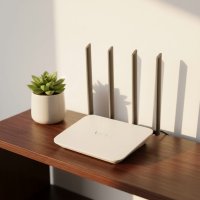
Have you ever found yourself wandering from room to room, desperately seeking a stronger Wi-Fi signal? Perhaps your home is plagued by dead zones, or your smart devices struggle to stay connected. If this sounds familiar, it’s time we talked about the mesh WiFi router. This innovative technology is revolutionizing how we experience wireless internet at home, promising an end to connectivity frustrations and ushering in an era of truly seamless coverage. Forget clunky extenders and limited range; a mesh WiFi router system is designed to blanket your entire property in a robust, high-speed signal, ensuring every corner of your digital life stays connected and performing at its best.

What Exactly is a Mesh WiFi Router System?
At its core, a mesh WiFi router system is a network of interconnected devices that work together to create a single, unified wireless network. Unlike a traditional setup where a single router broadcasts Wi-Fi from one central point, a mesh system utilizes multiple “nodes” or “satellite units” that communicate with each other. This creates a distributed network, extending your Wi-Fi signal far more effectively than a lone router ever could.
How Does a Mesh WiFi System Differ from a Traditional Router and Extender?
A traditional router is a single point of access, and its signal strength diminishes significantly with distance and obstacles like walls. WiFi extenders or repeaters try to boost this signal, but often introduce their own network name, create latency, and don’t offer a smooth roaming experience. A mesh WiFi router, however, functions as one cohesive network. Each node acts as both a transmitter and receiver, relaying signals to and from other nodes and your devices, all under a single network name (SSID). This means your devices automatically connect to the strongest signal as you move around, without you ever noticing a drop.
The Magic Behind the Mesh: How It Works
So, how does this technological marvel achieve such widespread coverage and consistent performance? The secret lies in its intelligent communication and decentralized architecture.
Understanding the Mesh Network Architecture
A mesh WiFi system typically consists of a main router unit connected to your modem, and several satellite nodes placed strategically around your home. These nodes constantly communicate with each other, forming a dynamic web of connectivity. If one node goes down or experiences interference, the network intelligently reroutes traffic through other nodes, maintaining an uninterrupted connection. This “self-healing” capability is a major advantage over traditional setups.
Backhaul: The Unsung Hero of Mesh WiFi
|
Our Picks for the Best WiFi Router in 2026
As an Amazon Associate I earn from qualifying purchases.
|
||
| Num | Product | Action |
|---|---|---|
| 1 | TP-Link AC1200 Gigabit WiFi Router (Archer A6) - Dual Band MU-MIMO Wireless Internet Router, 4 x Antennas, OneMesh and AP Mode, Long Range Coverage |

|
| 2 | Amazon eero 6+ mesh wifi router with 1 month free eero Plus (auto-renews) - Coverage up to 1,500 sq. ft., Connect 75+ devices, 1-pack |
|
| 3 | TP-Link Dual-Band BE3600 Wi-Fi 7 Router Archer BE230 - 4-Stream - 2×2.5G + 3×1G Ports, USB 3.0, 2.0 GHz Quad Core, 4 Antennas - VPN, EasyMesh, HomeShield, MLO, Private IOT - Free Expert Support |
|
| 4 | TP-Link AXE5400 Tri-Band WiFi 6E Router (Archer AXE75), 2025 PCMag Editors\' Choice, Gigabit Internet for Gaming & Streaming, New 6GHz Band, 160MHz, OneMesh, Quad-Core CPU, VPN & WPA3 Security |
|
| 5 | TP-Link Archer BE6500 Dual-Band Wi-Fi 7 Router (Archer BE400) - Dual 2.5 Gbps Ports USB 3.0 - Covers up to 2,400 Sq. ft and 90 Devices - Quad-core CPU- HomeShield, Private IoT, Free Expert Support |
|
| 6 | Amazon eero 6 mesh wifi router with 1-month free eero Plus (auto-renews) - Supports internet plans up to 900 Mbps, Coverage up to 1,500 sq. ft., Connect 75+ devices, 1-pack |
|
| 7 | TP-Link AX1800 WiFi 6 Router (Archer AX21) – Dual Band Wireless Internet, Gigabit, Easy Mesh, Works with Alexa - A Certified for Humans Device, Free Expert Support |
|
| 8 | RBLHGG-5acD-US LHG 5 ac - 5GHz 802.11ac Wireless Device with 24.5 dBi Dual-Pol Grid Antenna - 716 MHz CPU, 256MB RAM, Gigabit Port, RouterOS L3, PoE, US Version |
|
| 9 | TP-Link AC1200 WiFi Router (Archer A54) - Dual Band Wireless Internet Router, 4 x 10/100 Mbps Fast Ethernet Ports, EasyMesh Compatible, Support Guest WiFi, Access Point Mode, IPv6 & Parental Controls |
|
| 10 | TP-Link Tri-Band BE9300 WiFi 7 Router (Archer BE550) - 6-Stream, Full 2.5G Ports w/ 6 Internal Antennas, Up to 2,000 Sq Ft, Add Easy-Mesh Device for Extended Coverage, VPN Support, Free Expert Support |
|
One crucial aspect of mesh WiFi is its “backhaul.” This refers to the dedicated connection the nodes use to communicate with each other and the main router. Many modern mesh systems employ a dedicated wireless band (often 5 GHz) for backhaul traffic, ensuring that device data doesn’t compete with the inter-node communication. Some high-end systems even offer wired Ethernet backhaul, providing the absolute fastest and most reliable connection between nodes, especially useful for multi-story homes or dense building materials.
Why Should You Consider a Mesh WiFi Router?
If you’ve been struggling with Wi-Fi woes, a mesh WiFi router system could be the game-changer you need. Let’s explore the key benefits that make it an attractive option for modern homes.
Eliminating Dead Zones and Expanding Coverage
The most obvious benefit is the expansive and consistent coverage. By strategically placing nodes, you can eradicate those frustrating dead zones in bedrooms, basements, or outdoor areas. The distributed nature of the mesh network ensures that every square foot of your home receives a strong, reliable Wi-Fi signal, supporting all your connected devices from streaming boxes to smart light bulbs.
Seamless Roaming for an Uninterrupted Experience
Imagine walking from your living room to your home office while on a video call, without ever experiencing a stutter or drop. That’s the power of seamless roaming with a mesh WiFi router. Your devices automatically switch to the strongest node without dropping the connection, making for a truly smooth and uninterrupted online experience, whether you’re streaming, gaming, or working.
Enhanced Performance and Speed
With a properly configured mesh system, you can expect improved speeds and overall network performance. By reducing interference and providing multiple pathways for data, mesh networks can often deliver faster speeds to devices further away from the main router. The dedicated backhaul in many systems further minimizes bottlenecks, ensuring your bandwidth isn’t eaten up by internal network communications.
Effortless Setup and Management
Gone are the days of complex router configurations. Most mesh WiFi router systems are designed for extreme ease of use. Typically, you can set them up in minutes using a user-friendly mobile app that guides you through the process step-by-step. Managing your network, creating guest networks, or setting parental controls is equally straightforward, all accessible from your smartphone.
Scalability: Grow Your Network as Needed
A great advantage of mesh systems is their scalability. If you move to a larger home or simply find a new dead spot, you can easily add more nodes to your existing system. This flexibility ensures your Wi-Fi network can grow and adapt to your changing needs, making it a future-proof solution.
What to Look For When Choosing Your Mesh WiFi Router
With a growing number of mesh WiFi router systems on the market, choosing the right one can feel daunting. Here’s what to consider to ensure you pick a system that perfectly fits your home and budget.
Home Size and Layout
The size and layout of your home are crucial. For smaller homes (under 2000 sq ft), a two-pack system might suffice. Larger homes or multi-story properties with dense walls might require a three-pack or even more nodes. Consider where your dead zones currently are and how many nodes would be needed to cover them effectively.
Internet Speed and Bandwidth Requirements
Are you a casual browser or a heavy gamer and 4K streamer with multiple smart home devices? Your internet plan speed dictates the minimum performance your mesh WiFi router should offer. Look for systems that support Wi-Fi 6 (or even Wi-Fi 6E) for future-proofing and superior performance, especially if you have a gigabit internet connection. Ensure the system can handle the bandwidth demands of all your devices.
Features and Advanced Functionality
Modern mesh systems offer a host of features beyond basic Wi-Fi. Look for:
- Parental Controls: To manage screen time and content access.
- Guest Networks: For secure visitor access.
- Network Security: Robust WPA3 encryption, automatic updates, and built-in antivirus features are highly beneficial.
- Quality of Service (QoS): Prioritize certain devices or applications (e.g., streaming over downloads).
- Smart Home Integration: Compatibility with voice assistants like Alexa or Google Assistant.
- Ethernet Ports: If you have wired devices (gaming consoles, desktop PCs), ensure nodes have enough Ethernet ports.
Budget Considerations
Mesh WiFi router systems vary widely in price. While a higher price often correlates with better performance and more advanced features, excellent mid-range options are available. Balance your needs with your budget, remembering that a good mesh system is an investment in your home’s connectivity for years to come.
Setting Up Your Mesh WiFi Router: A Simple Guide
One of the greatest appeals of a mesh WiFi router system is its straightforward setup. Here’s a general overview of what you can expect:
- Unbox and Download the App: Most systems come with a mobile app. Download it to your smartphone or tablet.
- Connect the Main Router: Connect the primary mesh router unit to your modem using an Ethernet cable. Power it on.
- Follow In-App Instructions: The app will guide you through connecting the main router to the internet and creating your new Wi-Fi network name (SSID) and password.
- Place Satellite Nodes: Place the additional satellite nodes strategically around your home. The app often provides guidance on optimal placement to ensure strong inter-node connection. Typically, you want them within range of each other and the main router, especially for the first few nodes.
- Power On and Connect Nodes: Power on the satellite nodes. The app will usually detect and connect them to your mesh network automatically.
- Enjoy Whole-Home Wi-Fi: Once all nodes are connected and configured, you’ll have a unified, seamless Wi-Fi network across your entire home.
“A truly optimized home network isn’t just about speed; it’s about reliability and reach. A mesh WiFi router is the modern answer to those age-old connectivity headaches, making your home a truly connected sanctuary,” advises network architect Eleanor Vance.
Common Questions About Mesh WiFi Routers
Q1: Can I use my existing router with a mesh system?
A: While some mesh systems can work alongside your existing router in “AP mode” (Access Point mode), it’s generally recommended to use the mesh system’s main router as your primary router for the best performance and features. You can often put your old router into bridge mode or disable its Wi-Fi to avoid interference.
Q2: Is mesh WiFi faster than a single powerful router?
A: Not necessarily in terms of raw peak speed at close range to the main router. However, a mesh system typically provides much faster and more consistent speeds across your entire home by eliminating dead zones and reducing signal degradation over distance, making the overall user experience much better.
Q3: Do mesh WiFi systems improve internet speed?
A: Mesh systems improve your Wi-Fi speed and coverage within your home. They do not increase the actual internet speed provided by your Internet Service Provider (ISP). However, by optimizing your internal network, they ensure you get the maximum possible speed from your ISP throughout your property.
Q4: How many mesh nodes do I need?
A: This depends on your home’s size and layout. A good starting point is usually a two-pack for apartments or smaller homes (1-2 bedrooms) and a three-pack for medium to large homes (3-5 bedrooms, 2-3 stories). Homes with unusual layouts or very thick walls might need more. Most manufacturers provide coverage estimates per node.
Q5: Can I mix and match mesh nodes from different brands?
A: Generally, no. Mesh WiFi systems are proprietary, meaning nodes from one brand are designed to work only with other nodes from the same brand and system. It’s best to stick to a single brand and model family for compatibility and optimal performance.
The Future of Home Connectivity is Mesh
The days of huddling near your router for a decent signal are swiftly coming to an end. A mesh WiFi router system offers a compelling solution for anyone seeking robust, reliable, and widespread internet coverage throughout their home. From effortless streaming and lag-free gaming to seamless smart home integration, a mesh network provides the foundation for a truly connected lifestyle. It’s more than just a Wi-Fi upgrade; it’s an investment in your digital peace of mind. So, if you’re ready to banish dead zones and embrace uninterrupted connectivity, diving into the world of mesh WiFi is your next logical step.
What’s your biggest Wi-Fi challenge? Share your experiences and let us know how a mesh system has (or could!) transform your home network!
Get our weekly buyer guide
Practical specs, not advice. Unsubscribe anytime.